An investigation was launched by senior executives at the hospital twenty months ago but it “wasn’t robust enough” to expose failings
The hospital at the centre of a cover up of cancer care data failed to carry out an “adequate” review into whistleblower claims which could have exposed the failings almost two years ago, it’s chief executive has said.
Gordon Coutts, the chief executive of Colchester Hospital University NHS Foundation Trust, said that two members of his executive team had looked into the concerns raised in February 2012 but that the review “was not adequate.”
A representative of Unison, the union which initially referred the concerns over the hospital to the Care Quality Commission, has said that Dr Coutts had been emailed directly by one of the whistleblowers highlighting concerns but received no response.
Dr Coutts, speaking on BBC Radio Essex, said: “Yes, there was an investigation carried out by two members of my executive team at the time – in February of 2012 – and that review was not adequate.
“It wasn’t robust enough and it didn’t go deep enough and that is regrettable.”
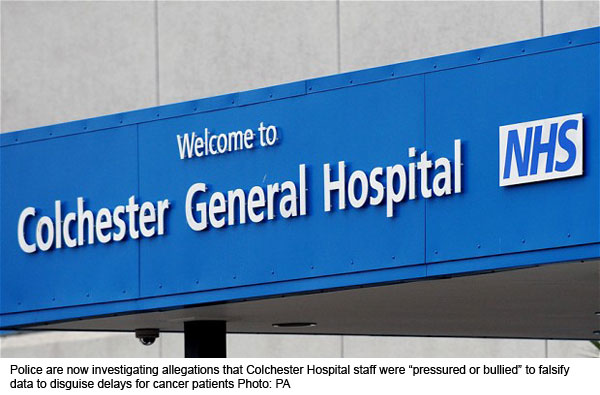
Police are now investigating allegations that hospital staff were “pressured or bullied” to falsify data to disguise delays for cancer patients, which may have put lives at risk
A report by the Care Quality Commission (CQC) published yesterday found “inaccuracies” with waiting time data relating to cancer treatment at Colchester Hospital University NHS Foundation Trust.
Prof Sir Mike Richards, the chief inspector of hospitals said that patients’ lives may have been put at risk so the trust could give an impression it was meeting waiting list targets.
Christina McAnea, Unison’s national secretary for health said the “administrative workers” who blew the whistle over the cover-up of cancer care data had told their managers and emailed the chief executive about their concerns before approaching the Union for support.
She told BBC Radio Four’s Today Programme: “They complained to their manager, they then complained to their manager’s manager. We understand one of the women actually did email the chief executive about this and they got no response… from the chief executive they got no response.”
“For their managers it then turned into a bullying issue.”
Karen Webb, the regional director for the eastern region at the RCN, also said she raised concerns a year ago about the “bullying culture, the secrecy of the management culture” at Colchester Hospital University NHS Foundation Trust.
The RCN members who voiced these concerns, she claimed, were dismissed as “fantasists” and she claimed the board of the hospital had tried to bully them into “shutting up”.
“I think there are a few things that smell rather unpleasant about Colchester General and the way that it is being led.”
Bernard Jenkin, the MP for North Essex, said those behind the delays must be held responsible, but defended Dr Coutts.
“Why have we got a health service in which people feel they are justified in falsifying records?” said the senior Tory, who chairs a Commons committee investigating public sector complaints told BBC Radio Four’s Today Programme.
“That is a terrible, terrible indictment of the culture that has grown up in the health service over a long time.”
Asked if senior staff should be suspended pending the outcome of the review, he told BBC Radio 4’s Today: “There has got to be accountability and people who have done wrong have got to be held accountable for their acts.
“It is very easy to go out shooting messengers in this situation. Actually Gordon Coutts is, in my view, the best hospital chief executive – and I’ve been MP for 20 years – I have ever come across in Colchester.
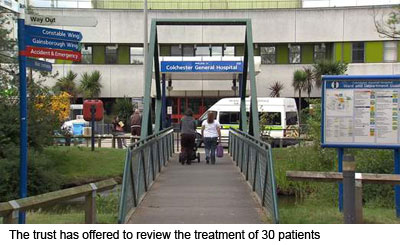
The trust has written to 30 patients or their next of kin offering to review their treatment after the report. Out of 61 care records examined, 22 showed that patients had been put at “risk of receiving care that was unsafe or not effective, due to delays in receiving appointments or treatment”, the CQC said.
Staff told inspectors that they were “pressured or bullied” to change data relating to patients and their treatment in order to make it seem like people were being treated in line with national guidelines, a CQC spokesman said.
As a result some patients may not have had the treatment they needed in time.
Inspectors found that in some cases people did not get their treatment within the national target of two months. In some cases patients waited more than three months for treatment.
The watchdog said that even though an internal trust investigation last year identified concerns about delays for patients, hospital bosses failed to investigate the allegations thoroughly or follow up with the patients who were affected.
Source: telegraph.co.uk
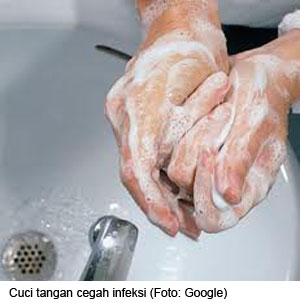 INFEKSI nosokomial adalah infeksi yang berlangsung atau didapatkan di rumah sakit, yang seringkali disebut sebagai infeksi yang berhubungan dengan pelayanan kesehatan atau Healthcare Associated Infections (HAIs).
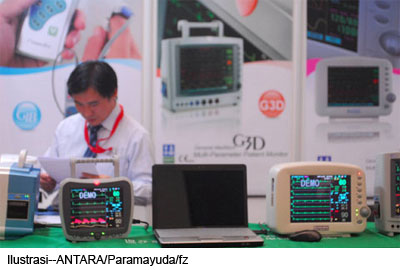 Metrotvnews.com, Jakarta: Persatuan Rumah Sakit Seluruh Indonesia (Persi) mengingatkan rumah sakit (RS) di Indonesia harus segera berbenah. Bila tidak segera melakukan pembenahan, walhasil gelombang masyarakat berobat ke luar negeri akan terus terjadi.
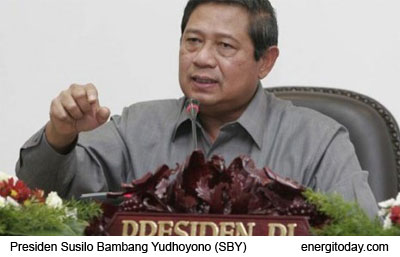 REPUBLIKA.CO.ID, BOGOR – Presiden Susilo Bambang Yudhoyono meminta setiap rumah sakit di tanah air meningkatkan kualitasnya. Tak hanya dari segi fasilitasnya tetapi juga tenaga ahlinya.
 Solopos.com, SUKOHARJO — Pembangunan kawasan Solo Baru, Kecamatan Grogol, Kabupaten Sukoharjo, sebagai pusat kegiatan perdagangan dan jasa, terus berjalan.
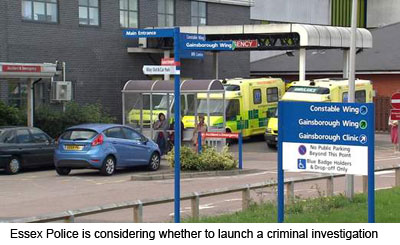
 Essex Police confirmed it had been contacted by the CQC and said it was reviewing the information to establish whether to launch a criminal investigation into the matter.
 He reassured patients and the wider public that the trust was taking action to address all of the concerns raised by the CQC.
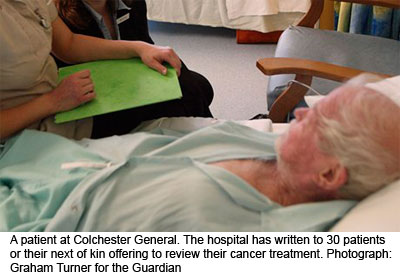 A criminal investigation could be launched into allegations that staff at a general hospital were bullied and pressured into falsifying information about patients’ cancer care, potentially putting lives at risk, it emerged on Tuesday.
 Penelitian serupa dengan kasus pada RS dan Universitas Thomas Jefferson serta Univesitas Pittsburg di atas juga dilakukan di USA dan Kanada. Sebuah penelitian di tahun 2011 menemukan bahwa rumah sakit memproduksi emisi GHG (green house gas) 2,5 kali lebih besar dan menggunakan energi jauh lebih banyak dibandingkan dengan bangunan komersial biasa. Jadi dapat dibayangkan besarnya penghematan yang dapat dilakukan oleh RS dengan menerapkan proses yang lebih ramah lingkungan dan mengklaim sebagai green hospital. Bagaimana sesungguhnya strategi green hospital itu?Apa saja alternatif green initiatives yang dapat dilakukan oleh RS? Benarkah green initiatives dapat mengurangi cost pelayanan di RS? Silahkan ikuti ulasannya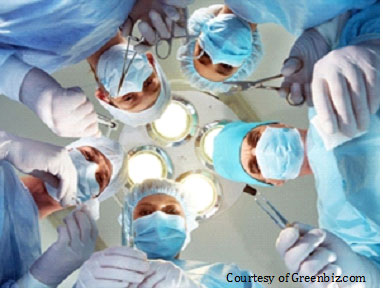
 Berdasarkan penelitian Takata (2011), rumah sakit memproduksi emisi GHG (green house gas) 2,5 kali lebih besar dan menggunakan energi jauh lebih banyak dibandingkan dengan bangunan komersial biasa. Banyak RS yang karena tekanan lingkungan maupun faktor lain, kemudian mencoba menerapkan strategi green hospital. Bagaimana sesungguhnya strategi green hospital itu? Apa saja alternatif green initiatives yang dapat dilakukan oleh RS? Benarkah green initiatives dapat mengurangi cost pelayanan di RS?
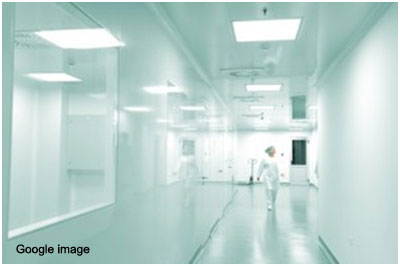 Yang menarik adalah adanya hasil penelitian yang menyatakan bahwa RS yang beroperasi di lingkungan yang kompetitif (diserahkan pada mekanisme pasar seperti di USA), akan lebih mudah menerapkan inisiatif hemat energi dibandingkan RS yang beroperasi di lingkungan yang kurang kompetitif (misalnya di wilayah dimana seluruh RS didanai dengan dana publik, seperti di UK dan Canada). Setidaknya ada tiga faktor yang dapat memotivasi RS untuk menerapkan strategi ramah lingkungan (go-green), yaitu kompetisi, legitimasi (regulasi) dan tanggung jawab terhadap lingkungan. Namun sayangnya dibutuhkan investasi yang besar untuk menghasilkan proses yang ramah lingkungan.

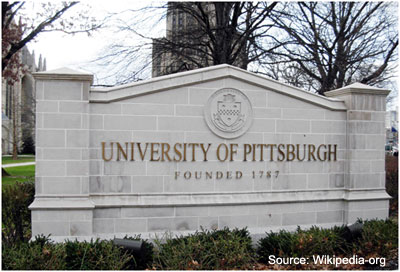
 Menjalin kerjasama kontrak dengan pihak ketiga dilakukan dengan cara yang lebih aktif dan penuh inisiatif dalam negosiasi kontrak serta re-negosiasi kontrak yang ada untuk meningkatkan penghematan biaya. Misalnya manajemen kontrak untuk pembelian fasilitas listrik dan gas alam dari berbagai pemasok energi melalui perjanjian penetapan harga yang masa kontraknya bervariasi sesuai dengan kondisi pasar. Kontrak jangka panjang akan lebih menguntungkan dan efisien. Contoh nyata terjadi pada kontrak pengadaan energi listrik selama lima tahun, dari 1 Januari 2012 sampai 31 Desember 2016. Meskipun ada kenaikan tarif listrik, namun penghematan anggaran tetap dapat dilakukan sebesar USD 17 juta selama lima tahun kedepan.