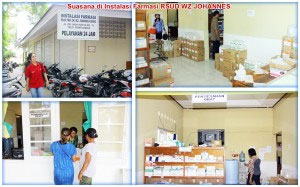
 SUDAH terlalu lama manajemen RSUD Prof WZ Johannes Kupang dipolitisasi melalui intervensi penempatan pejabat-pejabat struktural. Kasus pengangkatan Kepala Instalasi Farmasi Nelci Ndun hanya bagian kecil dari politisasi itu, yang entah kapan bisa dihentikan.
Demikian intisari pendapat pengurus YLKI NTT dr Teda Littik, anggota Komisi D DPRD NTT Angela Mercy Piwung dan Anton Timo, yang dihubungi terpisah, Jumat (17/5). Ketiganya dimintai pendapat mengenai pengangkatan Nelci Ndun menjadi Kepala Instalasi Farmasi RSUD Kupang, padahal yang bersangkutan belum memiliki kapasitas kefarmasian sesuai keahlian medis maupun Kepmenkes RI Nomor 1197 Tahun 2004.
Teda Littik bahkan menilai bahwa politisasi di tubuh manajemen rumah sakit milik Pemprov itu jauh lebih gawat dari kegawatdaruratan di IGD. Kuatnya campur tangan Pemprov NTT membuat manajemen rumah sakit itu tak berdaya sama sekali.
“Pengangkatan jabatan tidak sesuai prosedur memang kuat mengarah pada kepentingan satu pihak, entah itu tekanan politik, tekanan ekonomi, tekanan bisnis hingga kepentingan proyek. Semua itu membuat manajemen di rumah sakit menjadi tidak berdaya,” katanya.
Teda juga mempertanyakan apakah RSUD Kupang mempunyai Komite Analisis Jabatan? “Jangan-jangan ada malah tidak berfungsi. Kalau memang tidak ada ya bisa minta bantuan Pusat karena pengangkatan jabatan harus melalui analisis beban kerja,” ujarnya.
Menurut dia, solusinya untuk mengatasi persoalan tersebut hanya satu yaitu menyerahkan rumah sakit itu ke Pusat agar semua manajemen diatur Pusat. “Sebab, kenyataannya daerah tidak sanggup mengelola, dan jika daerah masih mempertahankan maka saya yakin lima tahun ke depan rumah sakit itu akan seperti itu terus, tidak ada perubahan,” tegasnya.
Menurut dia, ada ketakutan tersendiri bagi DPRD jika rumah sakit itu diserahkan ke Pusat. “Sebab kalau sudah di tangan Pusat, mereka tidak dapat proyek lagi. Jadi DPRD dan Pemprov sama-sama mempertahankan dan kondisi di rumah sakit itu tidak akan berubah,” katanya.
Hal senada disampaikan Mercy Piwung dan Anton Timo. Menurut Mercy, pengangkatan Kepala Instalasi Farmasi itu diduga sarat kepentingan pihak tertentu. Seharusnya penempatan pejabat itu memperhatikan latar belakang pendidikan, pengalaman kerja, pangkat, dan golongan. “Jangan tempatkan orang yang tidak punya kapasitas,” tegasnya.
Penempatan pejabat hanya karena faktor kedekatan atau hubungan emosional, akan menimbulkan konflik internal. “Bisa juga muncul kecemburuan yang berujung pada mogok kerja. Ini tidak hanya merugikan manajemen rumah sakit tapi masyarakat umum sangat dirugikan,” katanya.
Anton Timo menambahkan, penempatan pejabat memperhatikan setidaknya tiga hal, yakni kepangkatan, kemampuan, dan profesi yang merupakan dasar dari prinsip “the right man on the right place”.
Juru bicara para apoteker Instalasi Farmasi RSUD, Muhajirin Dean mengatakan, pelayanan kesehatan, terutama kebutuhan obat-obatan, dan alat kesehatan di RSUD dalam beberapa waktu ke depan akan terganggu karena kebijakan penempatan Kepala Instalasi Farmasi yang salah.
Menurut dia, pejabat yang baru itu tidak bisa melakukan pemesanan obat dan alat kesehatan sesuai tanggung jawabnya sebagai Kepala Instalasi Farmasi karena dia belum memiliki Surat Izin Praktek Apoteker (SIPA).
“Aturannya, dalam melakukan pekerjaan kefarmasian, kepala instalasi farmasi harus punya SIPA. Kalau tidak, maka tidak bisa pesan obat dan alat kesehatan. Stok obat setiap hari menipis. Perusahaan obat juga tidak mau langgar aturan,” ujarnya.
Ia mengatakan, bila dalam beberapa minggu ke depan tidak ada pemesanan obat dan alat kesehatan, maka aktivitas pelayanan kesehatan akan terganggu. Masyarakat yang tidak tahu menahu soal kebijakan tersebut menjadi korban. Selain itu, masyarakat juga akan berpikir buruk kepada para apoteker dan petugas pelayanan kefarmasian karena tidak mendapatkan pelayanan obat dan alat kesehatan.
“Kebijakan yang keliru ini diambil lalu kita jadi sasaran kemarahan pasien,” keluhnya.
Sumber: victorynews-media.com


 Muslimin Amerika Serikat, khususnya warga Illionis, saat ini diliputi kebahagiaan. Mereka tengah membangun sebuah rumah sakit Islam di Kota Chicago. Menaungi kepentingan Muslimah menjadi tujuan utama keberadaan rumah sakit tersebut.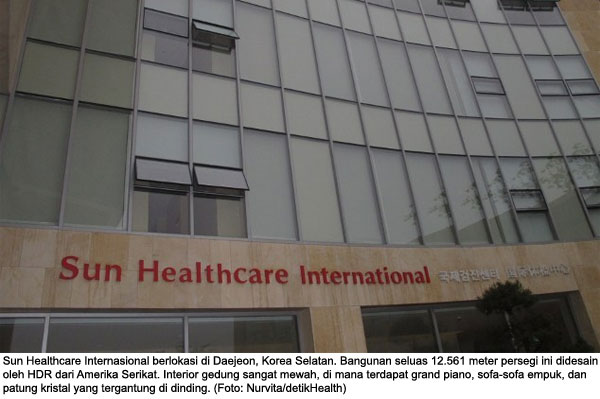

 WACANA untuk mendirikan rumah sakit baru sebagai pengganti Rumah Sakit Umum Daerah (RSUD) Abdul Rivai didukung berbagai pihak. Salah satunya dari Anggota Komisi II DPRD Berau Burhan Bakri. Ia mengharapkan rumah sakit baru segera terwujud. Bahkan dirinya telah mengusulkan pembangunan rumah sakit itu menjadi skala prioritas dalam program proyek multiyears yang diusulkan Pemerintah Kabupaten Berau, sebelum masa jabatan Bupati Berau Makmur HAPK dan Wakil Bupati Ahmad Rifai berakhir di 2015 mendatang.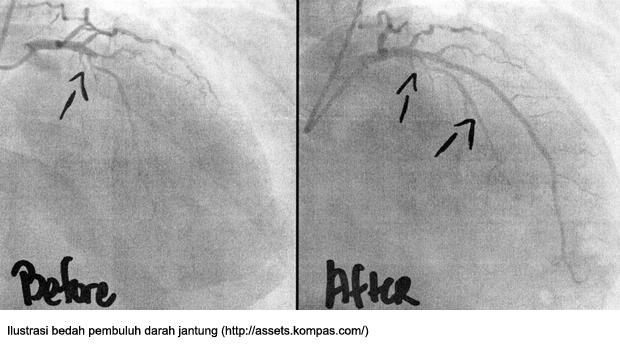
 PEKANBARU – Walau banyak masyarakat melakukan pengobatan ke rumah sakit di Malaysia, namun sebenarnya rumah sakit di Riau juga tak kalah hebat dari negeri Jiran tersebut. Pengakuan itu diungkapkan oleh Wakil Menteri Kesehatan Prof Dr Ali Ghufron Mukti, Jumat (24/5/2013) di Pekanbaru.
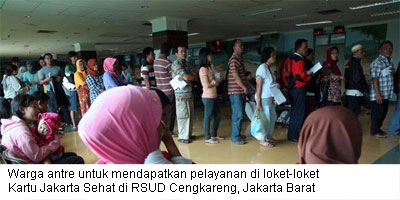 Jakarta, GATRAnews – Ricuh program Kartu Jakarta Sehat (KJS) yang dirilis Gubernur DKI Jakarta Joko Widodo, mengundang keprihatian DPRD DKI. Sebagai langkah tindak lanjut, Komis E DPRD DKI Jakarta yang membidangi kesehatan memanggil 16 rumah sakit yang sempat dikabarkan akan hengkang dari program itu.

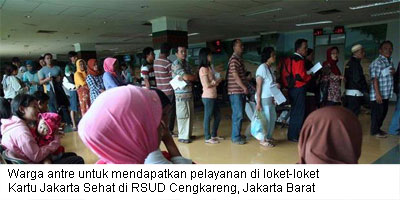 JAKARTA, KOMPAS.com – Ketua Komisi IX DPR RI Ribka Tjiptaning menilai seluruh rumah sakit yang mundur dalam memberikan layanan kesehatan melalui Kartu Jakarta Sehat (KJS) sama dengan melanggar undang-undang. Ia menganggap keputusan mundur dari KJS dikarenakan rumah sakit lebih mengutamakan bisnis ketimbang memberikan layanan sosial.