 At the special meeting of the Mineral County Commissioners on April 23, Denyse Traeder of the Mineral Community Hospital made a presentation on the hospital’s Frontier Medicine Better Health Partnership. According to Traeder, the partnership was formed by MCH as a response to the changing nature of health care in the country.
“The Innovations Program (another name for the Frontier Medicine Better Health Partnership) was formed by the legislature to look at new and innovative ways to look at health care,” Traeder said.
According to Traeder, employees at the hospital wrote in “many cool things” in the grant and the hospital won the nationwide grant out of over 9,000 hospitals that applied.
“Health care as we know it isn’t sustainable,” Traeder said. “If health care had risen by the same percentage as food we would be paying $108 for a pound of oranges. So we know that it’s outrageous and if this was happening with food there would be a huge outcry. But because we all need healthcare we aren’t really seeing as much of a pushback so we are here trying to tackle some of these issues.”
The Frontier Medicine Better Health Partnership was created for Critical Access Hospitals, hospitals with less than 25 beds, as a response to the changing nature of health care in the nation.
“It’s a grass root effort created by critical access hospitals for critical access hospitals,” Traeder said.
Traeder added that the partnership was created to “give small, critical access hospitals a voice” by teaming them all together and creating a nationwide partnership.
“We have been funded for three years and we have the possibility of continuing for seven years if we show the cost-cutting we think we can show,” Traeder said.
Twenty-five hospitals in the state have already teamed up with MCH in the partnership and according to Traeder the number will only increase with time.
“We believe that we will have closer to all 48 (critical access hospitals in Montana) join,” Traeder said. “They are very excited about this because it gives them quite a bit to work with within their communities.”
Traeder, who has been “running and writing grants in the county for a long time,” said that there are several primary areas of focus of focus in the partnership including developing a larger workforce and improving the efficiency of systems in critical access hospitals.
“It’s all about the patients,” Traeder said. “That is what we really want to focus on.”
One aspect of the partnership is training military veterans to be able to transition from service directly into fields in health care. According to Traeder that transition has been hard in the past due to military training not carrying over and counting in the private sector.
“When they get stateside they can actually get a job immediately,” Traeder said. “We have a 20 percent unemployment rate among our veterans right now and one of the major problems is once they get home the nation doesn’t accept their training.”
Another aspect of the partnership is developing better communication and transportation protocols in critical access hospitals.
“One of the things we have identified is that we are using rotor transportation at a very high rate when ground transportation would be appropriate,” Traeder said. “Each time a rotary comes out to pick up a patient it is about $15,000 and sometimes as much as $30,000.”
In order to combat those costs the partnership is looking at improving ground transportation in critical access hospitals in order to have staff available to ride in an ambulance with a patient to give support to the patient that would otherwise require a helicopter for transportation.
Source: vp-mi.com

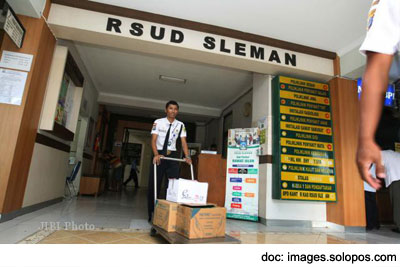 SLEMAN, suaramerdeka.com – Rumah Sakit Umum Daerah (RSUD) Sleman menargetkan realisasi kerjasama dengan Badan Penyelenggara Jaminan Sosial (BPJS) mulai tahun depan. Saat ini, pihak pengelola masih merintis sejumlah upaya untuk mencapai sasaran tersebut.
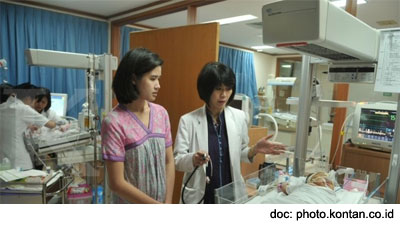 JAKARTA. Emiten properti PT Lippo Karawaci Tbk (LPKR) membukukan pertumbuhan pendapatan dan laba bersih yang cukup kinclong di kuartal I 2013. Salah satu penyumbang besarnya adalah bisnis rumah sakit, dengan pendapatan yang melejit 45% dari setahun lalu.
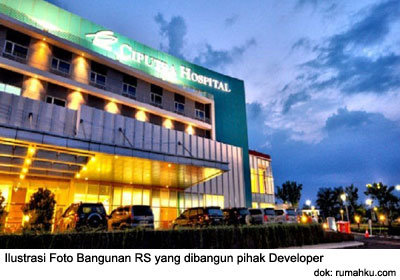 Jakarta, PKMK. Developer real estate besar di Indonesia memiliki potensi berlomba masuk bisnis rumah sakit. Sebab, dari sisi potensi pasar ataupun tingkat pengembalian investasi, bisnis rumah sakit bisa lebih menguntungkan daripada bisnis real estate, ungkap Budi Santoso, pengamat properti (2/5/2013). Budi menjelaskan, orang sakit pasti tidak akan menunda berobat. Terlebih lagi kalangan menengah ke atas. Berbeda dengan masalah kesehatan, kalangan ini masih mungkin menunda pembelian apartemen, rumah, ataupun properti yang lain. “Kalau terletak di lokasi berkembang dan di daerah dengan pendapatan tinggi, bisnis rumah sakit bisa balik modal dalam lima sampai tujuh tahun,” kata penulis puluhan buku real estate tersebut. Bisnis real estate dan rumah sakit sama-sama berjangka panjang. Namun bisnis rumah sakit lebih bisa memberikan keuntungan jangka panjang. Bila kawasan real estate perumahan seluas 10 hektar dikembangkan intensif, maka bisa selesai dalam setahun. Namun satu kawasan rumah sakit bisadapat terus memberikan pendapatan dalam waktu 10 tahun ataupun lebih.
 TRIBUNNEWS.COM, JAKARTA – Mahkamah Agung (MA) mengapresiasi putusan Mahkamah Konstitusi (MK) yang menghapus peran peradilan dalam pembuatan akta kelahiran anak yang melampaui satu tahun.
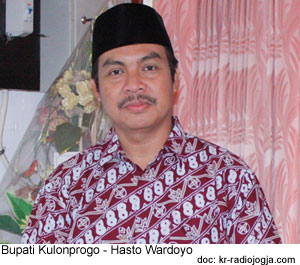 SENTOLO – Pemkab Kulonprogo menargetkan Rumah Sakit Tipe D bisa beroperasi awal 2014. Pembangunan dilakukan menggunakan tanah kas desa di Desa Banguncipto, Sentolo.Bupati Kulonprogo Hasto Wardoyo mengatakan pembangunan RS Sentolo terus berjalan. Saat ini proses pembebasan lahan, sedangkan pembangunan fisik ditargetkan selesai Desember 2013.“Kemudian awal Januari 2014 mulai beroperasi meski belum sempurna,” kata Hasto, kemarin (29/4).Hasto menjelaskan, pembangunan tahap pertama menggunakan lahan 6.500 meter persegi. Pemkab juga berencana membangun Autis Center dengan lahan 6.000 meter persegi.“Nanti izin gubernur dengan kompensasi. Kami tidak menggunakan tanah warga karena tanah kas desa sudah mencukupi,” kata Hasto.RS tersebut mengantisipasi banyaknya pasien di RSUD Wates yang tidak dapat ditampung karena tempat tidur terbatas. Akan dilengkapi 100 tempat tidur dan diarahkan sebagai RS tanpa kelas.Hal ini untuk mengantisipasi pelaksanaan aturan Badan Penyelenggara Jaminan Sosial (BPJS). Sistemnya, setiap pasien yang dirawat mendapatkan layanan kelas I namun dengan biaya perawatan sama seperti harga kelas III.“Dengan aturan ini semua pasien diperlakukan sama oleh tenaga medis, tidak ada yang diprioritaskan,” kata Hasto.Bupati Hasto mengatakan RS tersebut akan dikembangkan menjadi pusat pengobatan kanker. Karena pelayanan kanker di DIJ tidak cukup memadahi, diharapkan mampu melayani pasien dari DIJ maupun Jateng.“Tenaga medis akan dioptimalkan dari RS dan puskesmas di Kulonprogo,” katanya.Kepala Badan Perencanaan Pembangunan daerah (Bappeda) Kulonprogo Agus Langgeng Basuki mengatakan, anggaran tahap pertama Rp 6 miliar dari APBD Kulonprogo. Sedangkan, anggaran yang dibutuhkan Rp 20 miliar dari APBD Provinsi.“Pembangunan secara bertahap. Kementerian Kesehatan juga akan memberi bantuan Rp 10 miliar dalam bentuk perawatan medis untuk mendukung beroperasinya RS tersebut,” kata Agus. (asa/iwa)