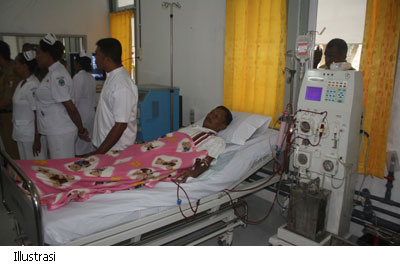
 Merauke – Bertempat di Rumah Sakit Umum Daerah (RSUD), Bupati Merauke, Romanus Mbaraka melakukan penandatanganan kerjasama dengan Ketua Yayasan Pembina Asuhan Bunda, Sri Sudarsono Habibie.
Selain penandatanganan kerjasama, juga peresmian bangunan unit cuci darah sekaligus peninjauan bantuan mesin cuci darah yang diberikan Pembina Asuhan Bunda tersebut.
Direktur RRSUD Merauke, Adolf Bolang dalam laporannya, Rabu (19/6) mengaku, jumlah pasien gagal ginjal sejak tahun 2010 silam, terus mengalami peningkatan. Sementara, pihak rumah sakit, belum memiliki peralatan. Sehingga pasien yang ada, terpaksa harus dirujuk ke Jayapura dan Rumah Sakit (RS) Cikini-Jakarta.
Setelah melalui berbagai pertimbangan, lanjut Bolang, didirikan bangunan dengan dilengkapi dua mesin cuci darah dari China. Satu mesin khusus diprioritaskan bagi pasien isolasi seperti hepatitis maupun HIV. Melihat perkembangan pasien, maka pada tahun 2011, dilakukan penambahan satu unit lagi. Begitu juga tenaga medis seperti dokter maupun perawat, dikirim ke beberapa rumah sakit terkemuka di Jawa untuk belajar.
Saat ini, katanya, terdapat satu dokter spesialis, satu dokter umum, empat perawat serta seorang teknisi. Mereka telah memiliki sertifikat cuci darah. Pada dua tahun silam, 1200 kali dilakukan cuci darah dengan jumlah pasien sebanyak 125 orang. Untuk tahun 2012, sebanyak dua belas orang yang rutin melakukan cuci darah di RSUD Merauke.
Bupati Merauke, Romanus Mbaraka dalam sambutannya mengucapkan banyak terimakasih atas bantuan mesin cuci darah yang diberikan oleh Ketua Yayasan Pembina Asuhan Bunda, Sri Sudarsono Habibie. “Saya atas nama masyarakat, mengucapkan terimakasih yang sebesar-besarnya. Mesin bantuan ini, akan dijaga dan dimanfaatkan dengan baik untuk melayani pasien yang membutuhkan,” katanya.
Ketua Yayasan Pembina Asuhan Bunda, Sri Sudarsono Habibie dalam arahannya mengatakan, bantuan mesin cuci darah ini, tidak hanya diberikan kepada RSUD Merauke, tetapi rumah sakit lain yang tersebar. “Kapan saja kami akan siap memberikan bantuan. Sehingga jika ada kesulitan yang dialami, agar segera disampaikan,” pintanya.
Sumber: tabloidjubi.com


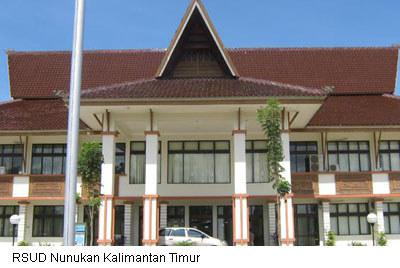 NUNUKAN – Tim Visitasi Universitas Gajah Mada (UGM) Yogyakarta, Senin (24/6/2013) melakukan kunjungan kerja ke Rumah Sakit Umum Daerah (RSUD) Nunukan. Kunjungan visitasi pertama kalinya ditahun 2013 ini merupakan kunjungan yang bertujuan mengevaluasi kinerja dokter PPDS UGM masing-masing bedah, syaraf dan anak, dalam melayani masyarakat Nunukan.
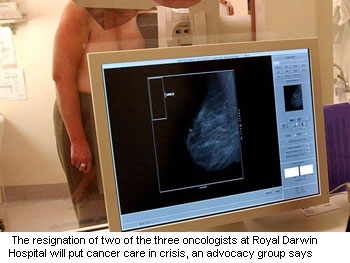 The resignation of two oncologists at Royal Darwin Hospital has an advocacy group extremely concerned for cancer patients.
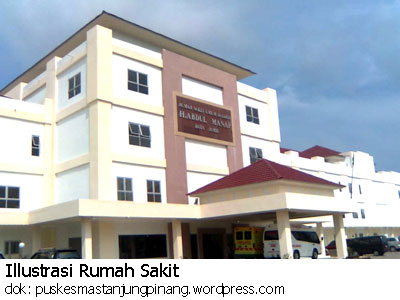 Bali – Satu lagi rencana Pemkab Buleleng untuk meningkatkan pelayanan kesehatan yang berkualitas untuk masyarakat di Bali Utara. Upaya itu adalah membangun rumah sakit pratama atau rumah sakit tanpa kelas. Rumah sakit (RS) ini rencananya dibangun di Desa Banjar Asem, Kecamatan Seririt.
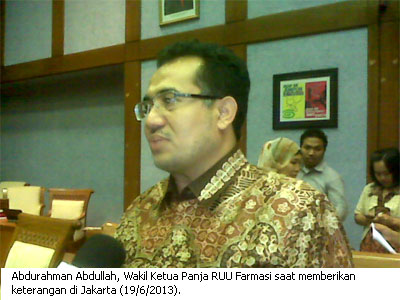 Jakarta, PKMK. RUU tentang Sediaan Farmasi, Alat Kesehatan, dan Perbekalan Rumah Tangga (RUU Farmasi), akan masuk tahap konsinyering intensif di minggu pertama Juli 2013. Tim Panitia Kerja (Panja) Pemerintah Indonesia untuk RUU tersebut diharapkan mampu menghadirkan pakar bahasa dan pakar draft hukum. Dengan demikian, debat terkait judul RUU tersebut bisa lebih ditengahi. Demikian hasil rapat Panja RUU Farmasi di Jakarta (19/6/2013).
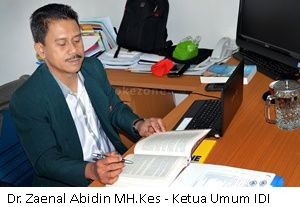 POLEMIK Kartu Jakarta Sehat (KJS) masih menuai kritik. Hal ini merupakan imbas dari rumah sakit yang mengutarakan bahwa klaim asuransi tak sebanding dengan biaya pengeluaran rumah sakit.
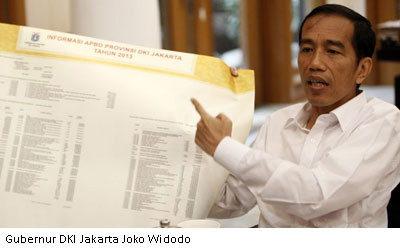 Jakarta – Gubernur DKI Jakarta Joko Widodo mengakui Pemerintah Provinsi DKI memang memaksa rumah sakit swasta di Jakarta untuk ikut serta dalam program kartu Jakarta Sehat. Melalui program itu, masyarakat tak mampu bisa mendapatkan pengobatan gratis di Puskesmas maupun poliklinik dan fasilitas rawat inap kelas II di rumah sakit. “Memang kita paksa kok, supaya mikirnya jangan soal untung saja,” ujarnya ketika ditemui Tempo di kantornya, Kamis, 13 Juni 2013.
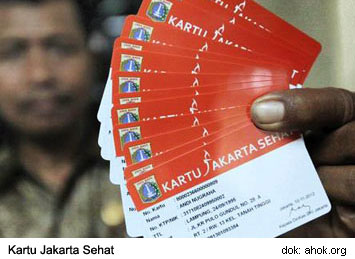 Jakarta – Program Kartu Jakarta Sehat yang digagas Gubernur DKI Jakarta Joko Widodo tetap bisa memberikan keuntungan bagi rumah sakit yang melayani pasien KJS. Syaratnya, rumah sakit melakukan efisiensi dalam merawat pasien KJS. “Rumah sakit jangan boros dan jor-joran,” kata Kepala Pusat Kajian Ekonomi dan Kebijakan Kesehatan Fakultas Kesehatan Masyarakat Universitas Indonesia, dokter Hasbullah Thabrany, Senin, 10 Juni 2013.
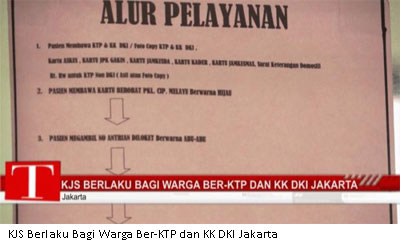 Jakarta – Kepala Pusat Kajian Ekonomi dan Kebijakan Kesehatan Fakultas Kesehatan Masyarakat Universitas Indonesia, dokter Hasbullah Thabrany, mengatakan sistem Indonesia Case Based Group, yang diadopsi oleh Kartu Jakarta Sehat, tidak menggunakan data harga terbarui. Patokannya masih menggunakan data yang disurvei pada 2009 lalu. Survei harga itu hanya dipakai untuk menetapkan biaya berobat di rumah sakit sakit milik pemerintah.