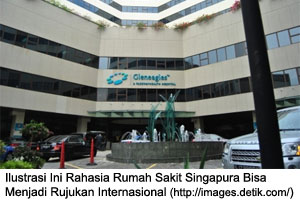
 Singapura, Penduduknya hanya sekitar 5 juta jiwa, tapi Singapura memiliki banyak rumah sakit internasional yang menjadi rujukan dari berbagai negara, salah satunya Indonesia. Negara ini menjadi destinasi favorit untuk berobat dan berbelanja. Apa rahasianya?
Menurut dr Chuan Hsuan Hung, kardiologis dan intensifis dari Gleneagle Hospital di Singapura, pasien yang datang berobat ke Singapura tidak saklek. Artinya, penyakit yang dialami pasien bisa disebabkan oleh berbagai hal dan ditangani dengan berbagai cara.
Misalnya seorang pasien datang karena keluhan penyumbatan darah. Di Singapura, pasien akan ditangani oleh 5 dokter dari berbagai spesialisasi secara bersamaan. Salah seorang dokter mungkin akan menyarankan bypass, sedangkan dokter lainnya menyarankan stenting. Hasil keputusan tim ini lah yang menjadi dasar penanganan pasien.
“Di masa lalu, pasien hanya mendatangi 1 orang dokter saja. Tapi ketika pasien datang, para dokter berkumpul dan memutuskan bersama, bekerjasama sebagai sebuah tim. Ini yang selalu kami lakukan,” kata dr Chuan di sela-sela acara Gleneagles Annual Scientific Meeting ke-15 yang diselenggarakan di Hotel Regent, Singapura, dan ditulis pada Senin (20/5/2013).
Berbeda dengan di Indonesia, mengumpulkan 5 orang dokter spesialis di sini bukan hal yang sulit karena kebanyakan dokter selalu stand by setiap saat. Pengambilan keputusan lewat tim ini menjadi prosedur standar yang harus dijalani di rumah sakit seperti Gleneagles Hospital.
“Di primary health care, pasien hanya bertemu 1 dokter, diperiksa lalu pulang tanpa mencari opini dokter lain. Tapi tidak ada yang bisa menghalangi pasien untuk menemui dokter lain, dan mereka bisa bingung. Kita tidak bergantung pada pendapat 1 orang, tapi pendapat banyak orang,” terang dr Chuan.
Karena sistem yang sudah tersusun rapi ini, tak heran jika Gleneaglese menjadi salah satu rumah sakit favorit bagi pasien dari luar negeri. Bahkan dr Chuan menuturkan, sekitar 50 persen pasiennya berasal dari Indonesia. Kebanyakan datang dari Surabaya dan ada juga yang datang dari Samarinda.
“Dari Jakarta, kami juga banyak membina hubungan baik dari dokter di sana. Beberapa pasien dirujuk ke kami dari dokter di sana,” imbuhnya.
Selain kerja tim seperti yang disebutkan di atas, dr Chuan mengungkapkan bahwa rahasia rumah sakit di Singapura bisa menjadi rujukan internasional adalah karena dokter ‘diharuskan’ untuk ramah. Dokter sebisa mungkin membina hubungan baik dengan pasien dan keluarganya.
Bahkan dr Chuan sendiri mengaku bahwa dia seringkali jauh-jauh datang dari Singapura ke Indonesia hanya untuk memenuhi undangan hajatan dari pasien dan mantan pasiennya. Hal ini menunjukkan betapa hubungan antara dokter dan pasien begitu erat layaknya saudara.
Di samping dari segi layanan, Singapura juga sudah sejak dari dulu dikenal menjadi salah satu pelopor pengobatan modern di Asia. Taruh saja pengobatan kanker yang sudah ada sejak tahun 1980-an. Dan kini, metode stem cell juga bisa dijumpai di berbagai rumah sakit di sana. Padahal Indonesia saja masih butuh waktu beberapa tahun lagi untuk mengembangkan teknologi yang sama.
“Pasien saya dari Indonesia paling paling banyak gagal jantung. Penyakit ini bisa disebabkan oleh banyak hal, mulai dari jantung, pembuluh darah, kanker dan virus. Jadi penanganannya memang bisa dengan banyak cara,” pungkas dr Chuan.
Sumber: health.detik.com
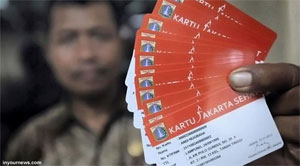
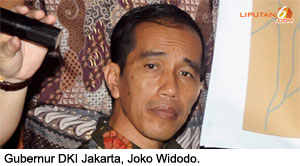 Jakarta : Gubernur DKI Jakarta Joko Widodo atau Jokowi dan Wakil Gubernur Basuki T Purnama atau Ahok kini dihadapkan dengan masalah baru. Sebanyak 16 rumah sakit swasta akan mundur dan tidak bisa melayani program Kartu Jakarta Sehat (KJS). Hikmah dari peristiwa ini, Jokowi jangan lagi terburu-buru melahirkan kebijakan demi kepentingan popularitas.
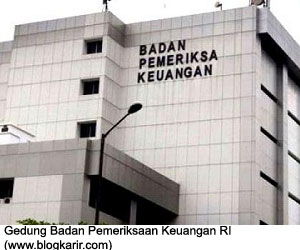 Jakarta – Badan Pemeriksaan Keuangan (BPK) menemukan 19 rumah sakit (RS) yang dibangun dengan total anggaran Rp2,7 triliun belum dimanfaatkan optimal.
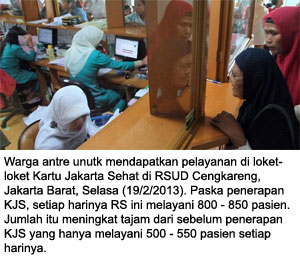 JAKARTA – Sejumlah rumah sakit swasta di Jakarta mengusulkan ketentuan tarif program Kartu Jakarta Sehat segera diperbaiki. Nilai pembayaran klaim pelayanan kesehatan yang selama ini diberlakukan dinilai terlalu kecil dan mereka minta agar diperbesar.
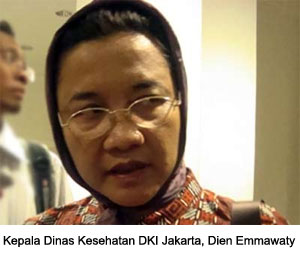 Jakarta – Kepala Dinas Kesehatan DKI Jakarta, Dien Emmawaty merasa tidak khawatir dengan mundurnya 16 rumah sakit dari program Kartu Jakarta Sehat (KJS). Ia mengatakan, belasan rumah sakit yang memutuskan mundur tergolong rumah sakit yang tidak begitu besar dan biasa-biasa saja.
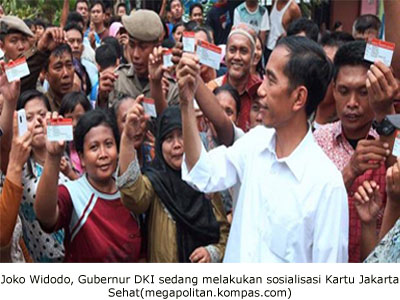 Jakarta–Anggota DPRD DKI, Dwi Rio Sambodo menyebut 16 rumah sakit yang mengundurkan diri dari program Kartu Jakarta Sehat. Baru dua rumah sakit yang sudah mundur resmi dengan surat. “Rumah Sakit Thamrin dan RS Admira,” ujarnya melalui pesan singkat kepada Tempo, Sabtu 18 Mei 2013.
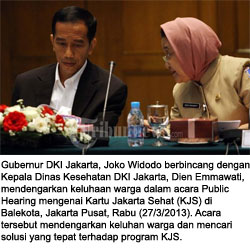 JAKARTA – Kepala Dinas Kesehatan DKI Jakarta, Dien Emawati mengungkapkan pihaknya akan mencarikan solusi atas 16 Rumah Sakit (RS) yang menolak kebijakan DKI soal Kartu Jakarta Sehat (KJS).
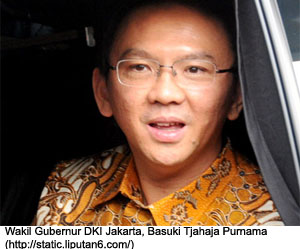 Jakarta : Tak kuat menahan kerugian, sebanyak 16 rumah sakit swasta akhirnya memutuskan kerja samanya dengan Pemerintah Provinsi DKI Jakarta dalam proyek Kartu Jakarta Sehat (KJS). Pemprov DKI pun maklum dengan keputusan 16 rumah sakit itu. Namun tak diam saja, Wakil Gubernur DKI Jakarta Basuki Tjahaja Purnama atau Ahok segera melakukan evaluasi program ini.
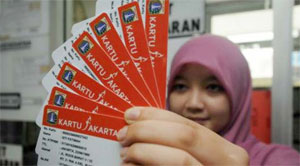 Jakarta : Di tengah antusias warga Ibukota pada Program Kartu Jakarta Sehat (KJS) yang diusung Gubernur DKI Jakarta Jokowi, sebanyak 16 rumah sakit rekanan Pemprov DKI undur diri dalam kerja sama ini. Tarif yang tak sesuai memaksa keenam belas rumah sakit ini menghentikan program KJS.