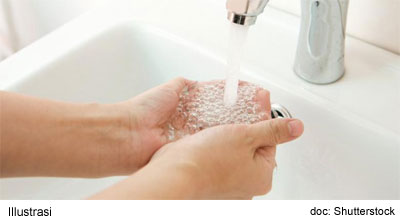
 KOMPAS.com – Kebiasaan cuci tangan terutama cuci tangan pakai sabun (CTPS) tidak hanya penting dilakukan di lingkungan rumah tangga, tapi juga saat berada di rumah sakit. Jangan sampai sepulang dari rumah sakit, seseorang justru membawa pulang penyakit seperti infeksi nosokomial.
Infeksi nosokomial atau infeksi yang berkenaan atau berasal dari rumah sakit masih menjadi masalah di rumah sakit Indonesia dan dunia. Salah satu penyebab terjadinya infeksi nosokomial adalah rendahnya kebiasaan cuci tangan di rumah sakit. Baik oleh tenaga kesehatan, pasien, hingga pengunjung/pembesuk di rumah sakit.
Spesialis mikrobiologi klinik, dr Wani Devita Gunardi, SpMK, dari Eka Hospital mengatakan infeksi nosokomial bisa berasal dari tindakan dokter atau tangan tenaga medis yang menyentuh pasien, kemudian bisa menyebar ke orang lain yang membesuk pasien atau pengunjung.
Menurutnya, infeksi nosokomial bisa dikurangi dengan cara sederhana melalui kebiasaan cuci tangan atau CTPS. Kebiasaan cuci tangan ini merupakan faktor terbesar terjadinya infeksi nosokomial, katanya.
Untuk mengurangi risiko infeksi nosokomial, kebiasaan cuci tangan di rumah sakit perlu memerhatikan lima momen penting yang sesuai rujukan WHO. Untuk tenaga kesehatan, CTPS semestinya dimulai sebelum masuk ke lingkungan tindakan di rumah sakit, saat melakukan tindakan, dan setelah melakukan tindakan. Sementara momen lainnya di antaranya setelah kontak dengan tubuh pasien dan meninggalkan lingkungan pasien. Dua momen terakhir ini berlaku untuk tenaga kesehatan juga pengunjung termasuk keluarga atau kerabat yang datang membesuk.
Wani melanjutkan, kepatuhan tenaga kesehatan juga pasien dan pengunjung rumah sakit untuk melakukan CTPS masih menjadi perhatian. Pasalnya, tidak semua orang di rumah sakit benar-benar menjalankan CTPS di lima momen penting dengan konsisten.
Ketersediaan infrastruktur untuk menjalankan CTPS juga menjadi perhatian lainnya. Meskipun menurut Wani, di sejumlah rumah sakit umum di Jabodetabek telah mensyaratkan ketersediaan infrastruktur CTPS ini.
Seberapa besar efektivitas pengendalian infeksi nosokomial dengan kebiasan CTPS di rumah sakit? Wani mengaku tidak ada data lengkap mengenai hal ini. Namun praktik yang dilakukan di Eka Hospital, Bumi Serpong Damai, Tangerang menunjukkan angka infeksi nosokomial bisa dikendalikan atau tidak meningkat berkat kebiasaan CTPS.
“Infeksi nosokomial kurang dari 1,5 persen karena kebiasaan CTPS,” ungkapnya saat jumpa pers kegiatan penyambutan hari cuci tangan sedunia di Jakarta, Kamis (26/9/2013).
Untuk mendorong semua pihak di rumah sakit menerapkan CTPS, Wani mengatakan penerapan satu hari cuci tangan memberikan kontribusi penting. WHO menentukan 5 Mei menjadi hari cuci tangan, yang bisa diterapkan siapa saja di mana pun. Penanggalan 5 Mei ini untuk memudahkan berbagai pihak mengingatkan lima momen penting cuci tangan.
Jika rumah sakit punya lima momen penting CTPS, untuk masyarakat secara umum lima momen utama CTPS di antaranya sebelum makan pagi, makan siang, makan malam, setelah dari toilet dan saat mandi. Namun waktu lain juga tak kalah penting seperti sebelum menyiapkan makanan, setelah batuk atau bersin, setelah memakai sarung tangan, setelah bermain dengan hewan dan setelah membuang sampah.
Wani menyebutkan, selain mengurangi infeksi nosokomial, merujuk pada WHO, CTPS juga bisa menurunkan penyakit diare sebanyak 31 persen. Selain mengurangi angka kesakitan akibat diare pada pasien imunokompromis (daya tahan imun rendah) sebanyak 58 persen, juga menurunkan penyakit Infeksi Saluran Pernapasan Atas (ISPA) sebesar 21 persen.
Riset global juga menunjukkan kebiasaan CTPS bukan hanya bisa mengurangi tapi mencegah kejadian diare hingga 50 persen dan Infeksi Saluran Pernapasan Atas (ISPA) hingga 45 persen. Penelitian terbaru dalam Journal of Environmental Research and Public Health juga menunjukkan CTPS bisa menghilangkan 92 persen organisme (penyebab penyakit infeksi) di tangan.
Efektivitas CTPS terhadap pencegahan berbagai penyakit juga bergantung pada penerapan 12 langkah CTPS standar WHO yang perlu dilakukan dengan tepat.
Sumber: health.kompas.com


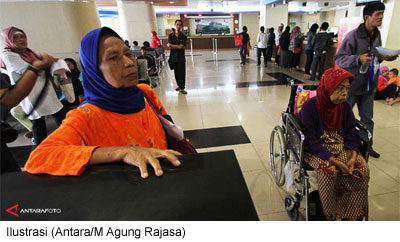 KOTA (RP) – Pelayanan rumah sakit pemerintah kembali mendapatkan sorotan DPRD Kota Pekanbaru. Sekretaris Komisi II DPRD Pekanbaru, Syamsul Bahris SSos menegaskan jika tidak ada alasan bagi rumah sakit, khususnya RSUD Arifin Achmad untuk mengecewakan pasiennya. Baik dengan alasan apapun seperti termasuk alasan ruang pasien telah penuh.
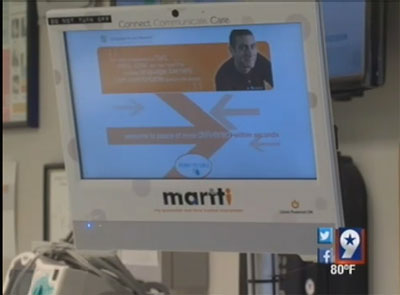 ODESSA – Language barriers have always been a problem in hospitals but now some new technology at Medical Center Hospital is improving patient care with a simple push of a button.
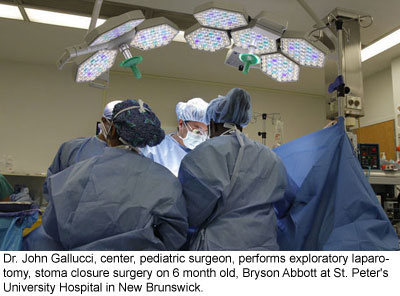 The Affordable Care Act, also known as Obamacare, will affect many aspects of health care across the nation. Below are five ways the new law will influence procedures surrounding hospitals, doctors, nursing homes and insurers.
  VIVAnews – RSUP Sanglah di Bali adalah rumah sakit pemerintah kedua yang meraih akreditasi internasional Joint Commission Internasional (JCI), setelah RSUPN Dr. Cipto Mangunkusumo di Jakarta.
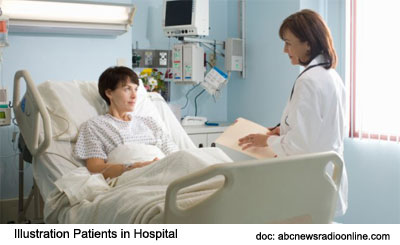 Patients who can afford to pay are charged “Standard NHS prices” for operations such as cataract replacements, caesarean sections for non-medical reasons and knee surgery.
 Riauterkini-BANGKINANGKOTA-Belasan Mahasiswa melakukan aksi unjuk rasa didepan Rumah Sakit Umum Daerah (RSDU) Bangkinang Rabu (25/9/13). Aksi demo ini terkait bobroknya pelayanan kesehatan di RSUD Bangkinang yang dikeluhkan masyarakat. Parahnya penolakan terhadap tiga orang pasien yang akan dioperasi.
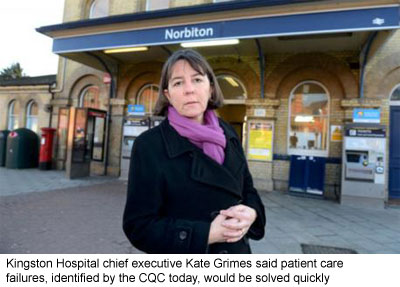 Kingston Hospital’s chief executive says she accepts the critical judgment on patient care of Care Quality Commission inspectors (CQC).
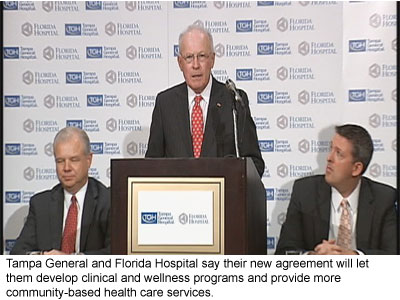 Two Bay area hospitals are partnering to improve access to health care.
 TEMPO.CO, Tangerang Selatan: Ketua Biro Hukum Pembinaan dan Pembelaan Anggota (BHP2A) Ikatan Dokter Indonesia wilayah Banten, Budi Suhendar, mengatakan ada pelanggaran prosedural dalam pemecatan lima dokter Rumah Sakit Umum Daerah Tangerang Selatan. “Pemecatan ini dilakukan tidak melalui prosedural yang semestinya,” katanya, Selasa, 24 September 2013.