WORKSHOP PERSIAPAN IMPLEMENTASI BLUD DI RS PEMERINTAH DI ACEH
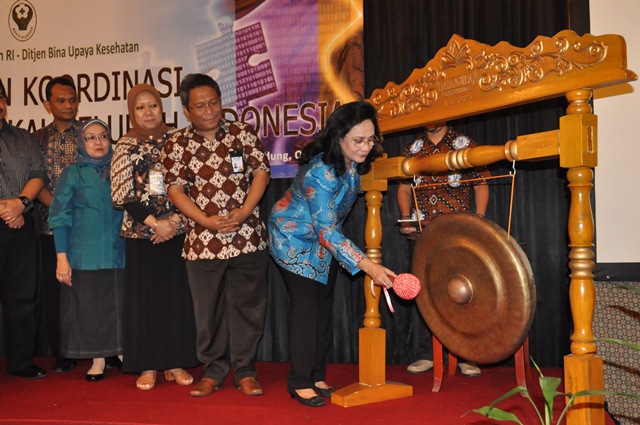
Ketua Arsada Aceh, dr. Taufik Mahdi, SpOG membuka Workshop
“Seluruh SKPD yang memberikan pelayanan public ditantang untuk mengembangkan inovasi. Khusus untuk RSUD di Aceh, tantangannya lebih berat lagi yaitu bagaimana mencegah atau mengurangi keinginan masyarakat untuk berobat ke Penang”. Hal tersebut diungkapkan oleh Ketua ARSADA Aceh, dr. Taufik Mahdi, SpOG yang sekaligus merupakan Direktur RSUD Zainoel Abidin, saat membuka workshop Penyusunan Rencana Strategis Bisnis dan Laporan Keuangan di Grand Nanggroe Hotel Banda Aceh tanggal 1 Oktober yang lalu.
Lebih lanjut dr. Taufik Mahdi, SpOG menyatakan bahwa semuanya kembali lagi ke budaya masyarakat. Pasien yang berobat ke RSUD di Aceh cenderung sulit tertib; membawa anak kecil ke dan merokok di dalam lingkungan RS meskipun sudah ada larangan, tidak mematuhi jam bezuk, dan sebagainya. Keacuhan terhadap peraturan in ibahkan seringkali berujung pada keributan antara keluarga pasien dengan petugas RS. Namun jika mereka ke Penang, mereka menjadi sangat tertib dan semua aturan dipatuhi. dr. Taufik Mahdi, SpOG juga menyoroti perbedaan cara pandang pemerintah (daerah) pada sektor kesehatan dibandingkan dengan sektor-sektor lainnya. Dalam menghadapi era perdagangan bebas dan kompetisi global, seharusnya bukan RS saja yang dituntut untuk membenahi manajemennya, melainkan juga sektor lain seperti infrastruktur, keamanan, pendidikan dan sebagainya. Daerah tidak akan siap jika hanya sektor kesehatan yang dibenahi. Demikian juga dalam kaitannya dengan implementasi BLUD, seharusnya pemerintah mendorong implementasi ini bukan hanya di RSUD melainkan juga di SKPD-SKPD lain sesuai dengan yang telah diatur dalam Permendagri 61 tahun 2007.
Ketua Panitia Workshop, Drg. Eka Darma Putra, MARS memberi sambutan
Inilah salah satu alasan masih diperlukannya workshop menyusun Rencana Strategis Bisnis dan Laporan Keuangan untuk merespon Permendagri 61/2007 tersebut, setidaknya di Provinsi Aceh. Kurangnya dukungan dari Pemerintah Daerah, membuat belum semua RSUD di Aceh mengimplementasikan PPK BLUD. Permendagri 61/2007 telah berlaku sejak 5 tahun yang lalu dan kemudian 3 tahun yang lalu diterbitkan pula UU no 44/2009 tentang RS yang mewajibkan seluruh RS pemerintah dikelola secara BLUD. Dari regulasi ini saja seharusnya seluruh pemerintah daerah mematuhi dengan memberikan dukungan. Namun pada kenyataannya belum semua RSUD khususnya di Aceh mendapatkan dukungan yang cukup untuk menerapkan PPK BLUD. Bahkan RSUD yang telah ditetapkan sebagai BLUD pun masih diharuskan menyusun RKA dan laporan keuangan seperti SKPD biasa. RBA akhirnya hanya dibuat untuk kepentingan internal RSUD.
Peserta pelatihan yang merupakan wakil-wakil dari RSUD Meuraxa, RSIA Subulussalam, RSUD Tamiang, RSUD Kuta Cane, RSUD Datu Beru, RSUD Jantho, RS Jiwa Aceh dan RSK Rehabilitasi Medis Aceh Timur umumnya sepakat bahwa dengan menerapkan PPK BLUD akan membuat RS menjadi lebih meningkat kinerjanya. Namun ada juga yang pesimis akan dapat menerapkan PPK BLUD dengan minimnya dukungan Pemda.
Mengingat regulasi ini sudah berjalan kurang lebih lima tahun, cukup melelahkan jika bangsa Indonesia masih berkutat pada masalah kurang meratanya pemahaman yang menyebabkan rendahnya dukungan implementasi BLUD. Disisi lain, peluang untuk mengimplementasikan BLUD bukan semata monopoli RSUD melainkan juga selayaknya dimanfaatkan oleh SKPD-SKPD lain demi meningkatkan layanan publik. Oleh karena itu, mungkin ada baiknya jika Pemerintah Pusat mengevaluasi pelaksanaan BLUD dari sisi ketaatan Pemerintah Daerah (dan perangkat-perangkatnya) terhadap aturan main regulasi ini, dan bertanya mengapa implementasi PPK BLUD di wilayahnya belum sesuai dengan yang telah diatur.
Wabah Meningitis Hantui Amerika Serikat
New York — Gara-gara suntikan steroid untuk meredakan nyeri punggung, lima orang warga Amerika Serikat tewas. Seperti dilansir AP, Jumat, 5 Oktober 2012, kematian mereka bukan karena overdosis atau alergi obat. Melainkan karena obat steroid tersebut tercemar jamur penyebab penyakit radang selaput otak mematikan alias meningitis. Berdasarkan data Pusat Pengawasan dan Pengelolaan Penyakit Amerika Serikat (CDC), sebanyak 35 orang di enam negara bagian, yakni Tennessee, Virginia, Maryland, Florida, North Carolina dan Indiana, terpapar jamur ini. Lima di antaranya meninggal. Hingga berita ini diturunkan, belum diketahui pasti berapa jumlah penduduk yang pernah disuntik obat itu. Namun diperkirakan obat ini menyebar ke 75 klinik di 23 negara bagian Negeri Abang Sam. Yang mengkhawatirkan, inkubasi penyakit ini dapat berlangsung dalam beberapa hari atau bahkan berbulan-bulan. Akan tetapi, Badan Pengawasan Obat dan Makanan Amerika Serikat (FDA) menegaskan bahwa perusahaan yang memproduksi obat tersebut, New England Compounding Center of Framingham, telah menarik persediaan obat dari seluruh klinik. FDA juga memerintahkan perusahaan tersebut untuk menghentikan produksi hingga pejabat terkait menemukan sumber infeksi. “Kami mengimbau petugas medis untuk tidak menggunakan obat steroid ini,” kata Ilisa Bernstein, Direktur Penelitian dan Evaluasi Obat FDA. Penyelidikan terhadap kasus ini dimulai dua pekan lalu setelah seorang korban meninggal di Tennessee. Jamur yang ditemukan, menurut FDA, tidak menular seperti jamur meningitis tipe lain. Bila belum parah, penderita masih dapat disembuhkan dengan pemberian antijamur dosis tinggi melalui pemberian intravena di rumah sakit.
Sumber: Tempo.co
Kansas City hospital plans to sequence all sick newborns, paper says
Milwaukee — Medicine appears poised to begin sequencing the entire genetic scripts of newborn babies with serious illnesses, a revolutionary change that was set in motion three years ago when scientists and doctors in Wisconsin used a similar technique to diagnose and treat a young Monona boy with a mysterious illness.
In a study released Wednesday in the journal Science Translational Medicine, researchers at Children’s Mercy Hospitals and Clinics in Kansas City report that they used whole genome sequencing to diagnose babies born with serious genetic illnesses. Of the seven cases in which doctors used genome sequencing, six resulted in diagnoses.
Moreover, researchers said a diagnosis can be returned as quickly as 50 hours after a blood sample is taken from a baby, an important finding given that many of the diseases that afflict infants require very rapid treatment. That’s much faster than the four to six weeks it had taken previously to go from sequencing to diagnosis.
Doctors at the Kansas City hospital said the test and accompanying analysis costs about $13,500 for each child and could present an appealing cost savings to health insurers. In the United States, thousands of babies each year with serious unknown diseases end up in the neonatal intensive care unit; there, beds cost some $8,000 a night and total expenses for one child can easily run to $250,000 or more.
“We think this is going to transform the world of neonatology,” said Stephen Kingsmore, an author of the new paper and director of the Center for Pediatric Genomic Medicine at Children’s Mercy Hospitals and Clinics. Kingsmore said his hospital will be using sequencing routinely for seriously ill newborns by the end of the year and will perform the same service for other hospitals around the country.
“This is a dramatic, even miraculous development,” said Philip M. Farrell, former dean of the University of Wisconsin-Madison Medical School. “It’s the equivalent of putting a man on the moon as far as I’m concerned.”
At Children’s Hospital of Wisconsin and the Medical College of Wisconsin, where a similar newborn sequencing program quietly began two months ago, one of the doctors involved read the new paper and declared it “a huge leap forward.
“This is going to revolutionize our ability to take care of kids,” added David Dimmock, a pediatric genetics specialist who worked on the team that sequenced young Nic Volker of Monona and crafted the treatment that appears to have saved the boy’s life.
“The aim of this is to replace conventional testing with something that is faster and more comprehensive.”
While the sequencing of Nic’s genes in 2009 was used as a last resort after many other tests had been tried, the technology is now assuming a far more significant role in medicine. The hospital in Kansas City and Children’s in Wisconsin are now using sequencing as a “first-line test,” one that will save time and money over the current practice in which doctors hunt through a forest of individual tests for different diseases and mutations.
In Kansas City, doctors are focusing their sequencing program on a search for known mutations in known genes. Dimmock said the Wisconsin program has the added ability to detect new mutations such as the one that caused Nic’s devastating intestinal disease. However, the Kansas City hospital gets results back faster — two days as opposed to a little more than a week in Wisconsin. Both hospitals have created special software programs that help doctors sift through the 3 million to 4 million variations in the genetic script of an average baby in order to find those most likely to have caused a disease.
Although the move to genome sequencing is certain to save lives, in many more cases it is likely to produce heartbreaking answers. The doctors in Kansas City used the technology to search for more than 3,500 single-gene diseases, most of them childhood ailments. But only 500 of those 3,500 diseases have known treatments, and some of those treatments are not cures; they only help a child live longer.
However, Kingsmore and the other authors said that for many families, having a definitive answer, even one with tragic repercussions, can be comforting.
“The family then knows what the answer is, they’re not on an endless search,” Kingsmore said. “The physicians are able to stop doing additional testing, and that testing is both expensive and sometimes could cause suffering to the baby.”
Doctors in Wisconsin have made much the same point and have warned from the beginning that successes like Nic Volker may not be common for a while.
Soon after his treatment, Children’s and the Medical College launched what they have billed as the world’s first integrated whole genome clinic. The clinic uses sequencing as a last resort when children have diseases that have stumped doctors. So far more than 20 children have been treated.
Children’s and the Medical College have now launched a second program using sequencing to diagnose sick newborns as early as possible. So far one child has been treated under the new program; in that case, Dimmock said, doctors believe they have discovered a new mutation that may be causing the child’s illness.
The new paper and the programs in Kansas City and Wisconsin underscore the rapid pace of advances in computing and genomic medicine in the two years since Nic’s case made international news.
Experts had been anticipating this kind of broad change in medicine ever since the Human Genome Project was completed in 2003, resulting in the first genetic blueprint of a human being. But until very recently genome sequencing took too long, cost too much and produced results that were too complex, Kingsmore said.
In the last few years computing speed has risen dramatically while the cost has dropped at an astonishing rate. Computing for the first human genome took seven years and hundreds of machines and cost $600 million. Now the job takes a little more than two days work and costs close to $10,000, including the expense of analyzing the massive amount of data in a single human genome.
Our full genetic script is spelled out in a sequence of chemical bases that stretches for more than 3 billion units, a language scientists have abbreviated to a four-letter code: A for the base adenine, C for cytosine, G for guanine, and T for thymine. In Nic Volker’s case scientists did not sequence the entire 3 billion units, but saved time and money by focusing on a little more than 1 percent of the genome, the parts that contain the recipes to make proteins. The failure to make proteins correctly causes many diseases.
Rumah Sakit Otak Nasional Siap Dioperasionalkan
[JAKART] Pembangunan fisik Rumah Sakit Otak Nasional untuk pertama di Indonesia sudah mencapai 93%, dan siap dioperasionalkan awal 2013 nanti.
Sebanyak 60 % dari 449 tempat tidur akan dipakai untuk kelas 3, yakni pasien peserta Jamkesmas atau penerima bantuan iuran dalam Badan Penyelenggara Jaminan Sosial (BPJS) Kesehatan.
Direktur Bina Upaya Kesehatan (BUK) Kementerian Kesehatan (Kemkes) Supryantoro, mengatakan, RS yang terletak di jalan MT Haryono,Cawang,Jakarta Timur itu sudah dipastikan selesai akhir tahun ini, dan baru akan dilengkapi dengan peralatan berteknologi tinggi untuk penanganan otak.
Sebagai rumah sakit pendidikan, kata Supryantoro, RS Otak Nasional pada awalnya dibawah binaan Rumah Sakit Cipto Mangunkusumo (RSCM).
Dengan begitu calon dokter saraf maupun bedah saraf yang belajar di Fakultas Kedokteran Universitas Indonesia (FKUI) akan melaksanakan pendidikannya di RS Otak Nasional. Di samping itu, beberapa tenaga dari RSCM juga akan dipekerjakan di RS Otak Nasional, termasuk dokter spesialis dan sub spesialis serta perawatnya.
“Pada awal operasionalnya kami harapkan ada sekitar 200-300 tenaga termasuk dokter dan perawat yang diambil dari rumah sakit fertikal seperti RSCM dan rumah sakit lainnya. ,” kata Supryantoro saat memantau langsung pembangunan fisik RS Otak Nasional di Jakarta.
Supryantoro mengatakan, RS Otak Nasional akan mengutamakan tindakan yang minimal invasiv sesuai dengan tren saat ini. Karena itu diprioritaskan peralatan berteknologi tinggi, sehingga dengan tindakan minimal tetapi menghasilkan terapi yang maksimal.
Teknologi tersebut antara lain untuk kasus stroke pendarahan di kepala yang harus dibuka dengan tindakan katerisasi atau dengan microsurgery. Termasuk juga teknologi diagnostiknya,sehingga penanganannya jauh lebih efisien dan efektif.
RS Otak Nasional juga memiliki kamar operasi dengan tata udara yang sudah memenuhi standar internasional, yang mana ketika ada pembedahan otak tidak terkontaminasi. Pembangunan fisik termasuk pembelian teknologi menelan biaya sekitar Rp 237 miliar dari anggaran Kemkes.
“Superspesialis dan subspesialis baik itu saraf maupun bedah saraf yang akan menjadi kunci utama untuk operasional teknologi ini. Untuk awal operasional adalah teknologi dasar terlebih dahulu yang diutamakan,” katanya lagi.
Supryantoro menambahkan, RS lainnya baik milik pemerintah maupun swasta sudah menyelenggarakan penanganan khusus otak. Kehadiran RS Otak Nasional untuk melengkapi, karena semakin meningkatnya kasus yang berkaitan dengan otak tidak cukup tertangani dengan jumlah rumah sakit yang sudah ada.
RS Otak Nasional akan menjalin jejaring dengan rumah sakit lain termasuk di daerah dan swasta untuk rujukan. Jejaring diharapkan melakukan pembinaan terhadap pasienm sehingga sistem rujukan berjalan baik, artinya pasien yang bisa tertangani di rumah sakit lain tidak perlu dibawa ke RS Otak Nasional.
Pembangunan RS Otak Nasional yang peletakan batu pertamanya dilakukan mantan Menkes almarhumah Endang Rahayu Sedyaningsih ini bertujuan untuk mengatasi masalah saraf dan otak (neurologi) yang belakangan kasus meningkat di negara-negara sedang berkembang,termasuk Indonesia tetapi belum ada pusat penanganan khusus.
Masalah neurologi adalah masalah kesehatan nasional yang sangat serius dan berdampak banyak. Bertambahnya usia harapan hidup di Indonesia ternyata menimbulkan proses penuaan otak dan jaringan saraf,sehingga orang berisiko tinggi.
Tim teknis pembangunan RS Pusat Otak Nasional Yusuf Isbah, mengatakan, kemungkinan tempat tidur di RS ini akan penuh, mengingat RS yang menangani kasus neurologi masih kurang. Pasien Jabodetabek saja misalnya, hanya 3-4% dari total rawat jalan yang mampu dicover rumah sakit yang ada dalam 10 tahun terakhir.
“Kehadiran rumah sakit ini penting karena memberikan pelayanan lebih spesifik dan mendalam dibanding rumah sakit umum. Di RSCM misalnya, sudah memiliki super spesialis, tetapi tindakan tertentu seperti mengambil pembuluh darah belum ada,” katanya.
Semua gangguan neurologi akan dilayani di rumah sakit ini, di antaranya stroke, kanker/tumor otak, epilepsi, alzeimer, dimensia, komplikasi diabetes, infeksi radang meningitis dan geger otak karena kecelakaan.
Data Riset Kesehatan Dasar (Riskesdas) menunjukkan, stroke merupakan penyebab kematian dan kecacatan utama hampir di seluruh RS di Indonesia. Satu dari 7 kematian disebabkan oleh stroke dan dari 1.000 orang Indonesia, 8 di antaranya pernah mengalami stroke baik ringan maupun berat.
Rumah sakit khusus akan sangat penting untuk penderita stroke karena penanganannya akan lebih fokus dan didukung fasilitas lengkap. Juga beberapa program unggulan di RS ini, di antaranya, melaksanakan check up otak yang komprehensif,sebagai salah satu pemeriksaan kesehatan sehat.
Sebagai pusat pelayanan trauma serebro spinal terpadu, pusat pelayanan gangguan memori dan neurobehavior terpadu, pusat neuro onkologi terpadu. RS ini menangani permasalahan otak dan saraf (neurologi) secara komprehensif, terpadu serta berbasiskan pada bukti (evidence base medicine).
Sumber: suarapembaruan.com
Poor public health services drive private clinics
RIGA – “It is a good time for the private [health care services] sector, and the main reason is the problems with our government in building [in improved] public health care system,” says Silvija Lejniece, director of the Diplomatic Service Medical Center in Riga. This is the main reason why many entrepreneurs decide to get into the business of health care.
In this sense, this was also the case of Leons Platacis and Signe Dauskane-Platace, who started Premium Medical Clinic. “The origin [of the business] was to think about what Latvia still needs,” says Dauskane-Platace, the clinic’s director. She is a doctor, but her first experience with Latvian reality was as a lawyer in the Patient Rights Office of Latvia in 2000. The aim was to change the legislation, to design a special law for patients’ rights, in the basic fields of information, informed consent and confidentiality. “We built a place based on patients’ rights, but there is still a lot to do to improve the Latvian health care system,” says Dauskane-Platace.
Since around 29 percent of health care services provided by the Public Heath Care System have to be paid by the patient, some are bypassing waiting lists for non-urgent operations (orthopaedics, cataracts, hernias, etc.), as well as for costly examinations (such as computed tomography, magnetic resonance imaging), as these services have become largely provided by the private sector.
Acording to LIAA (Latvia’s investment and development agency), national expediture on health is one of the lowest in the EU, and currently around 6 percent of GDP. “Even when this business is growing, private medical clinics have to do so much to increase their customer [numbers], taking into account the fact that the general consumption [spending] is so limited in this country,” says Platacis, business manager and board memeber at Premium Medical Clinic.
This is the reason why private clinics are largely concentrated in specific, prosperous pockets of Latvia, as much of the general populace cannot afford them. “We are focused on differentiating our customer target, mainly Latvians from the upper-middle class who have the ability to purchase these services as they need them,” says Platacis.
But even Latvian citizens often take out local private health insurance to give themselves coverage of medical services which are not covered as part of the public Latvian healthcare system. This is the point where new etrepreneurs see the opportunity.
Private business in this industry appears to be profitable. Private health insurance in the financing of Latvia health care is 2-5 percent of the total financing in the sector. For private medical clinics the numbers are similar. “We had two bad years of benefits due the economic crisis; we are still recovering in [our] growth,” says Lejniece. For Premium Medical Clinic, its prospects are 30 percent, or even 50 percent growth for the next couple of months.
Designing new high quality products
Apart from the certified high quality medical services in combination with attractive prices offered, the greater success is in offering certain advanced diganostic services, high quality and individual attention, well trained doctors, the newest equipment, spa and massage treatments, and almost all dental services, which is a key component of private health expenditure.
Right now, the challenge is to get into a marketing strategy when designing a product or service. It gives the opportunity for the company to keep a step ahead of its competitors. Companies try to take this into account, the future needs of customers, by formulating the products in the market and being the pioneer. “Our main strategy was to set a minimum time for a visit, which we considered to be at least 30 minutes, with a low price. This was completely new in the sector because the payment was previously tied to a [minimum] time of 10 minutes,” points out Dauskane-Platace.
Another pioneering strategy has been the preventive medicine services. This includes regular check-up services.
For Lejniece, the strategy has been collaboration with other private clinics, such as VC4, in improving the diagnostic methods, and through various arrangements with the private insurance sector.
Medical Tourism
The image of health services is changing and modernizing in order to cover the ever more growing needs of the public. The best example is in medical tourism. Nowadays travelling a distance from one’s country in order to have medical care, rather than staying at home with similar or even advanced technology available is being an option for many foreign customers.
This service has great potential, given the competitive salaries and high quality of Latvian medical services, excellent transport links to major cities in Western Europe, Russia and other European and northen countries (Sweden and Norway), and Latvia’s already excellent reputation in Russia as a spa destination.
The main strategy lies in providing an integrated package of services for the patients, and even for their relatives. The patients, in order to travel far from home, also take into account the facilities that they will have here for the period of time they will stay in this country.
Challenges for future entrepreneurs
“The industry still has the difficulty of convincing foreign sectors and customers to come here. People are looking for quality and Latvia hasn’t a good reference in this sense,” says Platacis. What he says is related to the competitiveness against other countries, for example India or Spain, in medical tourism. How to communicate with new patients and how to improve in a new economic context are the new challenges that the private health care sector faces for the following years.
What seems interesting is the way many private medical clinics try to cooperate with the public health care sector, which seems a future challenge for improving the health care system in Latvia. “We have to take into account that the economic situation is still recovering, and the fact that in the next few years it will be possible to try to make arrangements with the public sector for providing heath care services and make them more available to the Latvian population,” says Lejniece.
Sumber: baltictimes.com
Mulai Oktober, RS Siloam Terima Pasien Askes
JAKARTA (Pos Kota) – Rumah Sakit (RS) MRCCC Siloam menandatangani perjanjian kerja sama (MOU) dengan PT Askes (Persero) untuk mengakomodasi kepentingan lebih banyak pasien.
Kepala PT Askes Cabang Utama Jakarta Selatan, dr Handaryo (kiri) melihat peralatan canggih yang dimiliki RS MRCCC Siloam Semanggi. (aby)
“Kami bersepakat dengan PT Askes mulai Oktober 2012 untuk memberi layanan bagi masyarakat pemegang kartu Askes. Sejak kami buka, sudah banyak masyarakat yang tanya apakah kami menerima pemegang Askes,” kata Direktur Operasional MRCCC Siloam Hospital, dr. Mellisa Luwiya usai MOU, Rabu.
Mellisa mengatakan, perjanjian kerja sama dengan Askes bisa memberi potongan harga 20 sampai 50 persen dari harga retail yang akan ditagihkan ke Askes, sehingga pasien bisa berhemat dalam pembayaran selisih biaya.
MRCCC Siloam adalah RS kedua dari Siloam Group yang menandatangani perjanjian kerja sama dengan Askes, setelah Siloam Karawaci.
Kepala PT Askes Cabang Utama Jakarta Selatan, dr Handaryo, mengatakan, perjanjian kerja sama ini diperuntukkan bagi pemegang kartu Askes yang menginginkan layanan lebih di RS swasta.
Menurut Handaryo, dengan kerja sama ini, pemegang Askes mendapatkan beberapa keuntungan, seperti tidak hilangnya hak-hak sebagai pemegang Askes, serta kemudahan dalam urusan administrasi karena pihak RS akan langsung menagih biaya kepada Askes.
Ia mengingatkan, RS Siloam adalah RS swasta untuk kalangan menengah atas, sehingga ada iuran biaya yang tetap harus dibayarkan. Dengan perjanjian kerja sama ini, PT Askes bisa meminta diskon kepada manajemen RS sehingga bisa meringankan beban pasien.
Handaryo menambahkan, Askes tetap akan memberlakukan sistem rujukan berjenjang. “Pasien yang mau berobat pakai Askes, harus diseleksi dulu di layanan primer seperti Puskesmas atau dokter keluarga. Kalau tidak bisa diatasi di layanan primer, baru dirujuk kemari,” katanya.
Lebih jauh, Handaryo mengatakan bahwa ada kemungkinan perjanjian kerja sama ini akan disesuaikan, sehubungan dengan rencana transformasi PT Askes menjadi Badan Penyelenggara Jaminan Kesehatan (BPJS) pada 1 Januari 2014 mendatang.
“Kami masih menunggu Perpres. Kalau sudah ada Perpres, kami akan duduk lagi dengan RS untuk membahas penyesuaian. Karena bisa jadi ada peserta di luar Askes, seperti peserta Asabri atau Jamkesda, yang mau berobat ke sini,” ujarnya.
Sumber: poskotanews.com
Karyawan Rumah Sakit Mogok Kerja
MATARAM-Sebanyak 54 karyawan Rumah Sakit Harapan Keluarga (RSHK) mogok kerja. Mereka menuntut pihak manajemen memberikan gaji yang setara antara karyawan lokal dan nonlokal.
Salah satu karyawan, Dian mengatakan, selama ini gaji karyawan lokal dan nonlokal selalu dibedakan. Padahal mereka sama-sama melakukan tugasnya di rumah sakit. Apalagi mereka memiliki jenjang pendidikan yang sama. “ita ini sama-sama kerja kenapa gaji dibedakan. Bahkan perbedaan gaji ini sangat tinggi,’’ ujarnya seperti diberitakan Lombok Pos (Grup JPNN).
Dalam mogok yang dilakukan kali ini berkembang isu SDM lokal tidak memenuhi standar membuat para karyawan dibedakan gajinya. Bahkan milihat kesejahteraan karyawan di unit pelayanan medis dan unit lainnya seperti bidan, perawat, laboratorium, serta dokter jaga yang berasal dari daerah lokal. ‘’Kami menilai bahwa terjadi kesenjangan antara karyawan lokal dengan nonlocal terkait perbedaan gaji yang diterima dan tunjangan fasilitas yang didapat,’’ ujar cewek berjilbab ini.
Bahkan, kata Dian, sejak Juni 2011 karyawan mogok kerja tercatat sebagai karyawan kontrak. Sehingga tidak mendapatkan jamsostek dan tunjangan transfortasi. ‘’Kami hanya menuntut untuk kesejahteraan karyawan local,’’ ungkapnya.
Dalam mogok kerja ini hadir juga ketua KNPI NTB Lalu Winengan. Menurut Winengan, kesenjangan ini tidak boleh terjadi antara karyawan local dan nonlocal. Pasalnya, kalau sampai terjadi hal seperti itu, maka ia telah melecehkan kemampuan yang dimiliki putra-putri daerah ini. ‘’Ini namanya penghinaan kalau memang terjadi seperti ini,’’ katanya.
Winengan lantas menyuruh para karyawan untuk masuk kerja. Pasalnya, hal ini akan dibicarakan kepada direktur rumah sakit untuk memperjuangkan hak-hak karyawan lokal . “jika sampai dengan mogok ini karyawan akan dipecat maka ia akan bertanggungjawab,’’ jelasnya.
Sementara pihak manajemen RSHK yang diwakili Ainuddin mengatakan, pihaknya masih memikirkan tentang kesejahteraan karyawan. Namun kata dia, tidak semuanya karyawan akan diakomdir. Mengingat rumah sakit sekarang masih tertatih-tatih. ‘’Kita tidak mungkin bisa mengakomodir semua karyawan yang mogok ini dalam tuntutannya,’’ ujarnya.
Selain itu kata Ainuddin, ia tidak menjanjikan kalau karyawan ini akan dipenuhi tuntutannya oleh pihak rumah sakit. Menurutnya, dalam karyawan sekarang, banyak kemampuan yang tidak merata pada karyawan walaupun sekolahnya sama-sama srata satu (S1).
Kata dia, pihaknya tidak mungkin akan memberikan gaji kepada karyawan yang sama dengan kemampuan berbeda. Sehingga, pihaknya juga memberikan penilaian kepada karyawan. ‘’Tidak semua karyawan mempunyai kemampuan yang sama disini,’’ jelasnya.
Karena sambungnya, kemampuan bagian terpenting dalam rumah sakit. Terkait masalah SDM lokal yang rendah kata dia, ia tidak pernah membedakannya. Dan tidak ada karyawan yang digaji di bawah upah minimum provinsi (UMP).
Sumber: jpnn.com
Many Health Benefits for Patients with Access to Their Medical Records
informal study conducted by clinicians at three large primary care centers in the United States and reported in the October 2 issue of Annals of Internal Medicine.
Patients were enthusiastic about open access to primary care provider visit notes; the vast majority of those who completed surveys recommended that this transparency continue. Overall, a large majority of those who participated in the study opened some or all of their notes, and almost 90 percent believed that open notes would affect their decisions when seeking care in the future.
![]() |
| Richard Martin, MD, of Pennsyvlania’s Geisinger Health System discusses an electronic medical record entry with a patient. Source: OpenNotes |
The study analysis included 105 primary care providers at three large practices—Beth Israel Deaconess Medical Center (BIDMC) in Massachusetts, Geisinger Health System (GHS) in Pennsylvania and Harborview Medical Center (HMC) in Washington—and involved a year-long program that provided more than 13,000 patients with electronic links to their electronic medical records via the OpenNotes web portal. The ongoing program is being spearheaded by Tom Delbanco, MD, and Jane Walker, RN, MBA, both affiliated with Harvard Medical School and BIDMC.
The study did not specifically enroll people living with HIV, viral hepatitis or other specific diseases receiving primary care through these networks.
Roughly 86 percent of patients with visit notes available opened at least one note—84 percent at BIDMC, 92 percent and GHS, and 47 percent at HMC.
Of 5391 patients who opened at least one note and completed a follow-up survey, 77 to 87 percent across the three sites reported that access to their visit records helped them feel more in control of their care. For example, 60 to 78 percent of those taking medications reported increased medication adherence.
“Improving adherence to medical regimens has long been an enormous stumbling block in medical practice, and the recent increase in out-of-pocket costs for medications compounds the challenge,” the authors wrote. “We were excited to see that more than half of patients who received medications reported improved adherence, consistent with findings about general adherence from another open-records study.”
These benefits were achieved with far less impact on the work life of health care providers than anticipated, the report adds. Few primary care providers reported requiring longer encounters, taking more time with visits, or addressing more questions outside of visits, and none opted to discontinue open notes at the end of the year-long intervention period.
The study authors cited one clinician’s comment that they felt best summarized the collective experience: “My fears: Longer notes, more questions, and messages from patients. In reality, it was not a big deal.”
The report did note, however, that 26 to 36 percent of the patients surveyed had privacy concerns and 1 to 8 percent reported that the notes caused confusion, worry or offense.
Looking ahead, 59 to 62 percent of patients believed that they should be able to add comments to a health care provider’s note; one of every three providers participating in the program agreed. Roughly a third of patients believed that they should be able to approve the notes’ contents, but 85 to 96 percent of providers did not agree.
At the end of the experimental period, 99 percent of patients wanted open notes to continue and no health care provider elected to stop.
“In response to a relatively simple intervention,” the researchers concluded, “the patients in this large-scale trial reported striking benefits and presented a clear mandate to continue open notes. The doctors encountered few problems, and we hope that the problems that exist can be overcome with further analysis, education, and experimentation.”
Sumber: aidsmeds.com
Jumlah Penderita ISPA di Jambi 18 Ribu Jiwa
Jambi: Dinas Kesehatan Provinsi Jambi mencatat lonjakan penderita infeksi saluran pernapasan atas (ISPA) meningkat hingga 300 persen. Hingga Selasa (2/10), jumlah penderita ISPA yang berobat mencapai 18 ribu jiwa.
Jumlah itu meningkat tiga kali lipat dibanding bulan sebelumnya yang hanya 5 ribu pasien. Lantaran itu, Pemerintah Provinsi melakukan langkah antisipasi dengan membagi-bagikan masker gratis pada pengendara kendaraan bermotor.
Penderita terbanyak terdapat di Kota Jambi, Muaro Jambi, Kabupaten Tebo, Tanjung Jabung Timur, dan Tanjung Jabung Barat. Kabut asap bersumber pada kebakaran sejumlah lahan.
Sumber: metrotvnews.com