REPORTASE HARI-3
PRE-CONFERENCE WORKSHOP DAN PLENO 1
13 Desember 2013
Sesi 3.
Sesi terakhir hari ini adalah Pleno 1 dengan tema Governance of Pluralistic Health System. Timothy Evan, pembicara tunggal pada sesi ini, adalah Direktur Health Nutrition & Population, dari Human Development Network, The World Bank. Ia pernah menempuh pendidikan medis di McMaster, pasca sarjana di Harvard University dan doktor dalam bidang agricultural economic di Oxford University .

Gedung Perpustakaan Kampus NUS
Vivian Lin, profesor dari La Trobe University, Australia bertindak sebagai moderator pada sesi ini. Profesor Lin saat ini memegang beberapa jabatan penting di Australia, diantaranya Vice President for Scientific Affairs for the International Union of Health Promotion and Education (IUHPE) serta aktif di banyak agenda internasional terkait dengan health system. Selain itu, ia juga aktif sebagai editor di jurnal internasional maupun di Australia.
Harnessing pluralism for better health in Bangladesh, yang akan dipublikasikan di Lancet pada November 2013, adalah judul makalah Tim Evans. Ia membawa konteks Bangladesh, bagaimana pluralisme dan plucentrisme di sistem kesehatan dan relevansinya terhadap masa depan kesehatan Bangladesh. Tim Evan mulai dengan mereview tercapainya cakupan imuisasi 80% di tahun 1980an ke peningkatan pada human development index, UN MDG award dan good health at “low cost case study” yang mendapat dana dari Rockefeller. Bangladeh menunjukkan kemajuan dalam hal menurunnya angka kematian bayi, khususnya dari kalangan masyarakat tidak mampu. Namun juga banyak masalah misalnya kurangnya tenaga kesehatan (dokter 2x lebih banyak dari perawat), fasilitas kesehatan yang kekurangan tenaga dan peralatan, hingga kebijakan di sektor publik yang masih belum mendukung.

Suasana lingkungan kampus NUS yang hijau dan tertib
Banyak publikasi dari hasil kegiatan di Bangladesh yang dipublikasi di Lancet tahun ini, antara lain mengenai inovasi pada pemberian pelayanan kesehatan di kmunitas, disaster preparedness dan pertumbuhan ekonomi dan hubungannya dnegan stabilitas ekonomi makro. Ini semua menjadi alasan bagi perlunya dilakukan pengembangan lebih lanjut di negara ini.
Menurut Tim Evan, berbagai hal tersebut merupakan pluralisme sistem kesehatanyang melibatkan multiple-stakeholders, adanya sistem adat dan fungsi penting governance.
Menurutnya ada 2 cara pandang terhadap sistem kesehatan, yaitu dari sistem pemerintah yang terstruktur dan birokratis, serta dari non pemerintah yang tak beraturan bahkan hampir tanpa bentuk. Pluralisme juga nampak pada penyedia layanan kesehatan, diman ada dokter, perawat, dokter gigi, sampai dengan pengobat tradisional, dimana masing-masing provider juga berbeda secara usia dan jenis kelamin. Contoh lain dari pluralisme adalah akses terhadap obat-obatan esensial, Penanganan TB secara nasional.
Beberapa solusi yang ditawarkan oleh Tim Evans untuk menghadapi pluralisme tersebut antara lain:
– Kerangka akuntabilitas dan regulasi (harus jelas mana yang benar dan salah, mengembangkan cakupan kolaboratif, kerjasama, merangkul secara kontraktual maupun kompetitif, serta nurturing a right balance throzuh hard ans oft rules
– Sistem Informasi (kinerja semua stakehoder kunci, termasuk sektor privat dan sektor infomal, serta fasilitasi ICT).
– Pengembangan kapasitas (kemapuan untuk menghadapi tantangan abad 21 tergantng pada kemampuan kita dalam mengelola masalah antar-institusi dibandingkan dengan mengelola masalah dalam institusi, mengembangkan kompetensi untuk governance yang pluralistik, serta kurikulum di sekolah-sekolah manajemen, admnistrasi publik dan kesehatan masyarakat sebaiknya pula fokus pada masalah pluralisme ini.
Pada paper ini, Tim Evans menyimpulkan bahwa pluralistik merupakan hal yang alamiah terjadi di Bangladesh. Pendekatan “mengharapkan yang terbaik” tidak akan berhasil, sehingga harus ada manajemen yang aktif untuk mengelola sisem yang sifatnya plural. Oleh karenanya kemampuan untuk mengelolanya harus ditingkatkan. (pea)
 Suasana lingkungan kampus NUS yang hijau dan tertib |
 Para peserta dari Indonesia foto bersama |
Link Terkait:



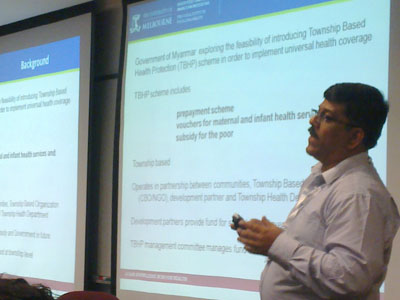
 Pada sesi pertama Sub Pleno ini berbicara Ichiro Kawachi dari Harvard University mengenai equity and social determinants of health. Reportasenya bisa diikuti
 Workshop yang dipandu oleh
  Pada akhir sesi ini, pembicara menawarkan kerjasama dalam bidang health literacy bagi siapa saja yang berminat, untuk menjadi: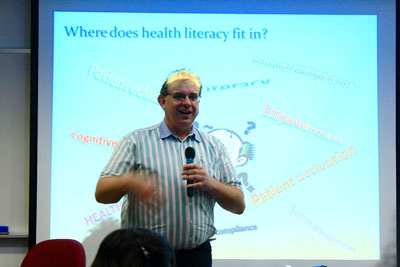

 Filipina memiliki kondisi geografis yang mirip dengan Indonesia (terdiri dari banyak pulau meskipun tidak sebanyak Indonesia), sehingga tantangan geografis dan epidemiologis yang dihadapi juga serupa. Selama rentang waktu 1976-2010, peningkatan jumlah RS dan kapasitas tempat tidur (TT) di RS swasta lebih besar dibandingkan dengan RS Pemerintah. Sebagaimana RS pemerintah di Indonesia, tidak semua RS Pemerintah di Filipina mendapatkan otonomi. Dalam studi kasus Filipina, salah satu RS yang dilibatkan dalam penelitian adalah satu-satunya RS milik pemerintah daerah yang mendapatkan otonomi cukup luas. Dampak dari perubahan ini menyebabkan meningkatnya volume kegiatan dan pendapatan RS. Meskipun demikian, RS ini masih mendapatkan subsidi dari pemerintah (provinsi). Gubernur bertindak sebagai Ketua Board untuk menjamin hal tersebut tetap berlangsung. Namun di Filipina ada juga provinsi yang miskin, dimana Pemda tidak mampu men-support RS-nya. Pemerintah pusat kemudian membuat program untuk meningkatkan kapasitas manajerial dan pelayanannya, sehingga terjadi peningkatan kinerja: jumlah pasien meningkat, klaim ke asuransi lebih banyak, dokter mendapat remunerasi lebih baik. Salah satu RS milik pemerintah pusat mengalami overload pasien rawat inap maupun rawat jalan, serta output pelayanan buruk. Reformasi difokuskan pada sistem klaim, dimana RS ini merekrut staf cukup banyak untuk menangani klaim, termasuk tiga orang dokter untuk memantau justifikasi klaim. Meskipun RS ini tidak otonom, namun terjadi peningkatkan kinerja pelayanan, misalnya investasi yang sempat tertunda dapat diselesaikan dan tidak ada lagi masalah kekurangan obat-obatan.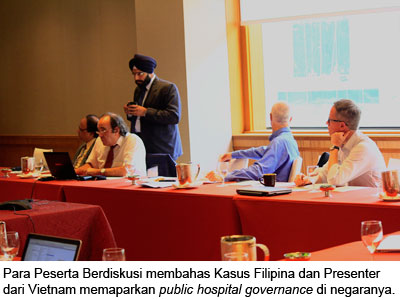
 Sesi hari ini juga dilengkapi dengan pemaparan materi mengenai “governance”. Antonio Duran (dari India Country Office WHO) mengutip dari buku-buku serial reformasi sistem kesehatan dari health observatory mengenai definisi governance. Ia memaparkan bahwa governance merupakan interaksi komplek di berbagai level sistem kesehatan: nasional (kebijakan, regulasi, ini disebut level makro), institusi (strategi, disebut level meso) dan internal/klinik (manajemen, ini disebut level mikro).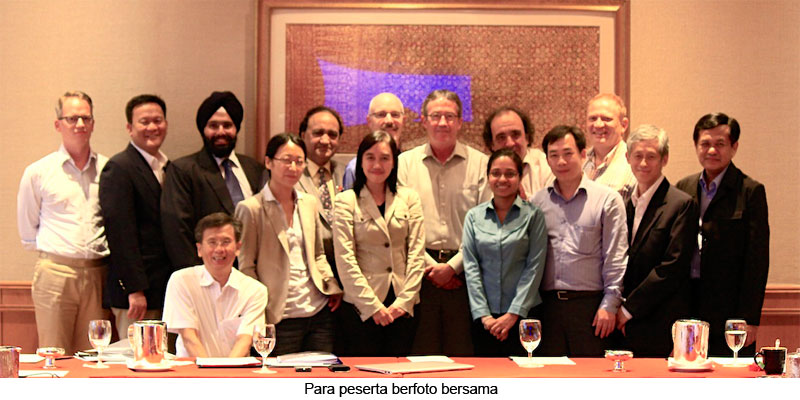

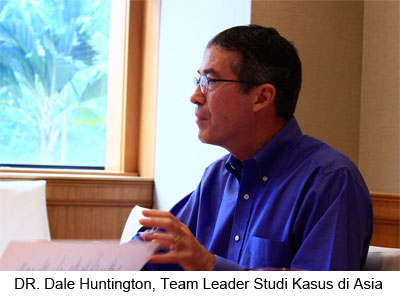 Project Studi komparatif ini diinisiasi oleh Asia Pacific Observatory on Health System and Policies yang bermarkas di Filipina dan diketuai oleh DR. Dale Huntington. Studi dilakukan di tujuh negara terpilih: Indonesia, Filipina, New Zealand, India, Sri Lanka, Thailand dan Vietnam, dari bulan Juli hingga Desember 2013 dengan tujuan untuk membandingkan perkembangan tata kelola RS publik di negara-negara tersebut.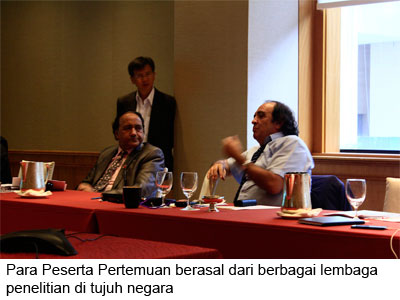
 India dan New Zealand memiliki sedikit kesamaan dalam pengelolaan RS Publik (pemerintah), dimana ada suatu badan yang menjadi pengelola RS (dapat mengelola lebih dari satu RS). Badan ini yang bertanggung jawab kepada pemerintah. Namun yang menarik dari kasus India adalah tingginya market share RS Privat (lebih dari 70%) dibandingkan dengan RS Pemerintah, menyebabkan India mengalami ketergantungan sangat tinggi pada sektor swasta.