
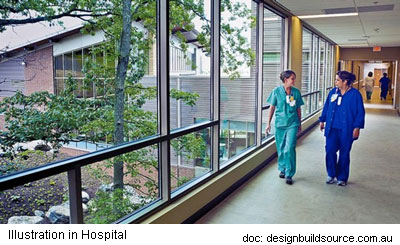
 A national study on pay for nonprofit hospital chief executives found that the presence of advanced technology played a bigger factor in higher compensation level than did quality of care, charity care or initiatives to reduce readmission rates.
The Harvard University study was released Tuesday on the Internal Medicine website of the Journal of the American Medical Association.
Researchers based their report on publicly available 2009 total compensation data for 1,877 chief executives serving at 2,681 private nonprofit hospitals. The mean compensation level was $469,096 for calendar year 2009, with a range of $106,324 to $2.1 million.
The researchers said what made their study different is that they “determined the degree to which a hospital’s performance on financial metrics, technologic metrics, quality metrics and community benefit in 2008 was associated with CEO pay in 2009.”
“Executive compensation metrics are a powerful reflection of the priorities of an institution, and likely have the ability to shape the focus of the CEO,” the researchers said in their conclusion.
“We found that CEO compensation at nonprofit U.S. hospitals varies widely and is associated with greater use of technology and higher patient satisfaction, but not with quality of care delivered, patient outcomes or community benefits.”
For example, chief executives of nonprofit hospitals with high levels of advanced technology earned on average $136,000 more than those with little advanced equipment.
“There was nearly no relationship between patient outcomes, particularly mortality and high readmission rates, and CEO compensation targets,” said Dr. Ashish Jha, the study’s main author and a professor of health policy at Harvard School of Public Health.
As a result, he questions whether nonprofit hospital CEO pay and the boards that set the compensation standards are “out of step” with efforts, such as by the Centers for Medicare and Medicaid Services, to more directly tie hospital reimbursement rates with patient outcomes.
Jha said the study did not include electronic health records as part of its technologic metrics since the transitional push away from paper records began in earnest shortly after the Obama administration began directing national health-care policy in 2009.
Jha said the researchers took on the study in part because of the influence that nonprofit hospitals’ chief executives have on “shaping the performance of their organizations through setting organizational priorities, allocating resources and hiring clinical leadership.”
Using the established metrics, the researchers determined compensation was higher for chief executives who managed more hospital beds, who ran an academic medical center (such as Wake Forest Baptist Medical Center), and the presence of higher levels of advanced technology. The average CEO of an academic medical center was paid $425,078 more than those at a non-teaching hospital.
On the flip side, chief executives were more likely to be less compensated if they had a higher proportion of poor patients and Medicare patients.
“Despite the fact that we examined nonprofit institutions whose tax-exempt status is based on their ability to demonstrate community benefit, we found no relationship between the degree of that benefit and CEO compensation,” the researchers said.
The researchers recommended that the link between CEO pay and hospital quality performances be made “more explicit.”
In a companion piece to the report on the JAMA website, Dr. Warren Browner, chief executive of California Pacific Medical Center, said most nonprofit hospitals do not reward chief executives more for technology advances, or glitz, than quality of care.
He agreed that pay for performance should apply to chief executives as much as doctors.
But he thought the researchers didn’t properly separate a chief executive’s base pay from his bonus and incentive pay. He said base pay is based mostly on a hospital’s structural attributes.
“Their conclusion that advanced technology drives CEO pay might be right,” Browner said.
“But an observational design cannot rule out alternatives, such as CEOs at fancier hospitals earn more because they are worth more, or because the members of the board compensation committees at glitzy hospitals are more accustomed to higher incomes.”
He said that hospitals that have high level of charity care demand “often struggle financially, making it less likely that their CEOs will be well compensated, even if their boards wanted to do so.”
He acknowledged that some hospital CEOs have “likely figured out how to game the system by working to align their incentive compensation with the metrics their hospital usually achieves – and trumpeting those results.”
Source: journalnow.com
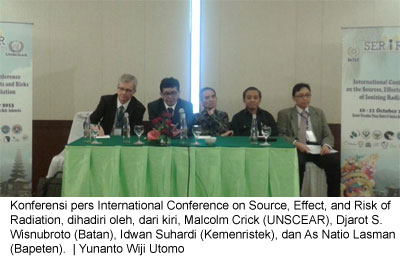 DENPASAR, KOMPAS.com – Rumah Sakit di lima provinsi menjadi target pengawasan Badan Pengawas Tenaga Nuklir (Bapeten) dalam pemakaian alat-alat medis yang memakai teknologi radiasi.
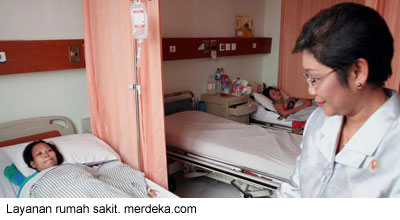 PT Askes menyediakan layanan baru dalam rumah sakit untuk menyongsong transformasi Askes menjadi BPJS (Badan Penyelenggara Jaminan Sosial) kesehatan. Askes menyediakan teknologi pemindai jari untuk mengecek data pasien rumah sakit.
 SALATIGA, suaramerdeka.com – Dugaan penyelewenangan pengadaan obat di RSUD Salatiga dengan kerugian miliaran rupiah ternyata telah dilaporkan ke Polres Salatiga.
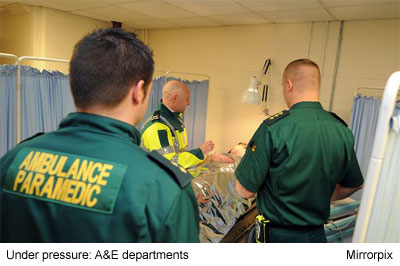 Hospitals are overstretched because the number of people admitted for avoidable conditions has spiralled by 48% in the last decade.
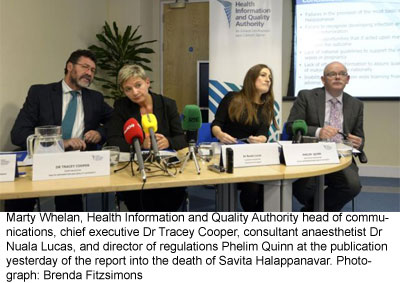 University Hospital Galway failed to provide Savita Halappanavar with “the most basic elements of patient care” and failed to recognise and act upon signs of her clinical deterioration in a timely and appropriate manner, according to a report by the State’s health watchdog.
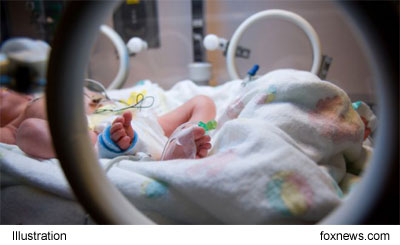 LAS VEGAS – Health officials urged tuberculosis testing for hundreds of babies, family members and staff who were at a Las Vegas neonatal intensive care unit this past summer, saying they want to take extra precautions after the death of a mother and her twin babies and the infection of more than 26 people.
 MUARATEBO– Pelayanan di Rumah sakit Umum Daerah Sultan Thaha Saifuddin (RSUD-STS) Kabupaten Tebo kembali dikeluhkan. Pelayanan dokter dan bidan diniali tidak profesional dan jarang di rumah sakit. Kini masyarakat kembali mengeluhkan banyak alat RSUD tidak berfungsi sebagaimana yang diharapkan.
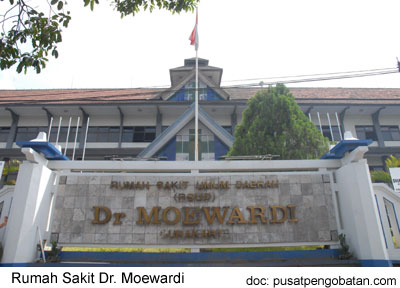 SOLO, suaramerdeka.com – Meski pemeriksaan berjenjang bagi pasien askes dan jamkesmas belum mutlak diberlakukan, namun Rumah Sakit Dokter Moewardi (RSDM) Solo sudah merugi dan defisit hampir Rp 30 miliar tahun ini.