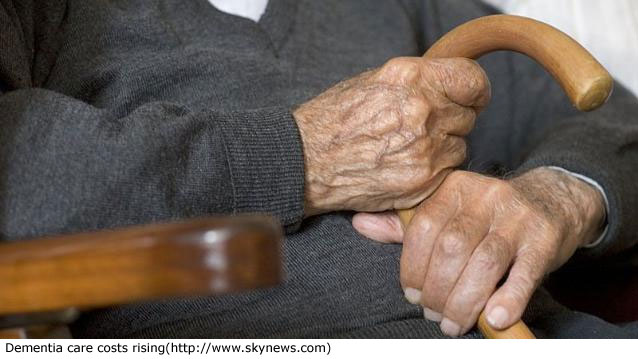
Dementia care models must be tweaked to stem rising costs and decrease hospital stay times, the Australian Institute of Health and Welfare (AIHW) says.
A new study into the costs of caring for dementia patients and the amount of time they spend in hospital, Dementia care in hospitals: costs and strategies, was released by the AIHW on Thursday.
It found NSW public hospitals spent $462.9 million on dementia patients during 2006-2007.
The study, which assessed 21,000 sufferers who spent at least one night in the public system during 2006-2007 also found care was more expensive for those suffering from dementia.
For a person without dementia, the average cost of care was $5010 but this increased to $7720 for those afflicted with it.
‘Providing care to people with dementia within a busy hospital ward can be challenging due to difficulties in communication and their often complex needs,’ AIHW chief David Kalisch said.
The report said recent estimations indicate a dementia patient will spend 16.4 days in hospital.
This compares to 8.9 for someone without dementia, an AIHW spokesman told AAP.
‘There are a couple of major drivers for the increased length of stay,’ he said.
‘People with dementia just because they tend to be older and more frail tend to have other things wrong with them which contributes to the longer stay.’
As well as assessing the costs of caring for and the length of time dementia patients spend in hospital, the study also recommends several ways to improve outcomes.
‘Our review suggests that the greatest potential benefits to patients lie in a combined approach by hospital, mental health, residential aged care and community services,’ Mr Kalisch said.
‘Simple measures taken in the hospital setting that appear to reduce length of stay for dementia patients and improve outcomes include staff training, discharge planning, dementia-friendly ward adaptations, and mental health and ageing liaison services.’
Source: skynews.com
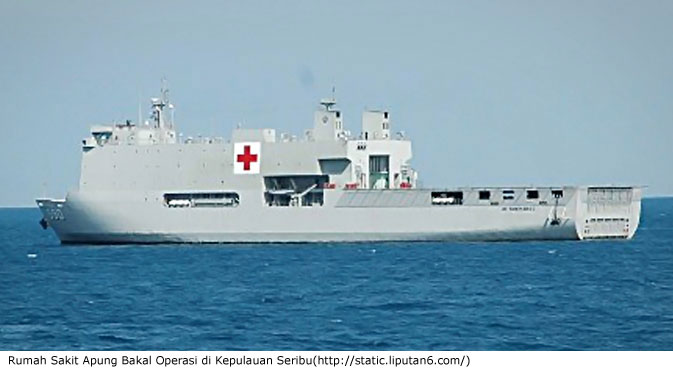
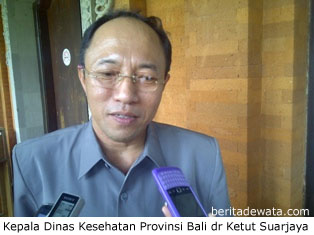 Bali – Jumlah tempat tidur di Rumah Sakit (RS) di Provinsi Bali masih kurang sebanyak sebanyak 1.800 unit. Angka itu didasarkan pada rasio jumlah tempat tidur pasien dengan penduduk 1:1.000, yang diterapkan di Indonesia. Kekurangan itu akan lebih banyak lagi jika dihitung berdasarkan kriteria Badan Kesehatan Dunia atau WHO, dengan rasio 1:500.
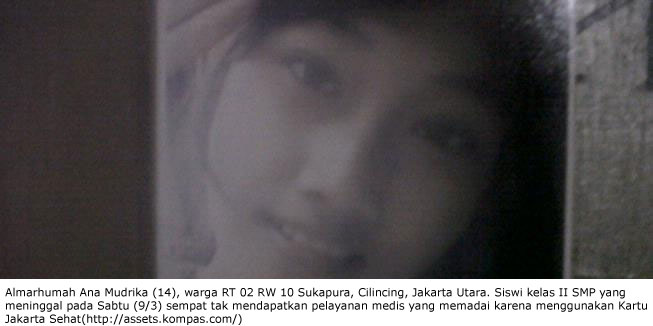 JAKARTA – DPRD DKI mengharapkan peristiwa yang terjadi pada bayi Dera dan Ana Mudrika (15) yang meninggal karena penolakan rumah sakit yang beralasan ruang kelas III penuh tak lagi terjadi. Anggota Komisi E Fraksi PDI Perjuangan Dwi Rio Sambodo mengatakan agar pelaksanaan Kartu Jakarta Sehat (KJS) harus ada keseimbangan dua aspek, yaitu aspek jaminan kesehatan dan aspek layanan kesehatan (medis, kamar, dan obat-obatan). Menurut dia, titik permasalahannya terletak pada aspek layanan kesehatan yang masih belum padu.


 Asep Setiyono., ST